
12 Sure Shot Signs You Need Veterans PTSD Treatment North Carolina
Most people think that coming home from military service is easy. However, for many veterans in North Carolina, the fight doesn’t stop when they take off their uniforms; it becomes an internal struggle!
This is where the term PTSD comes in. But do we know what living with it is really like?
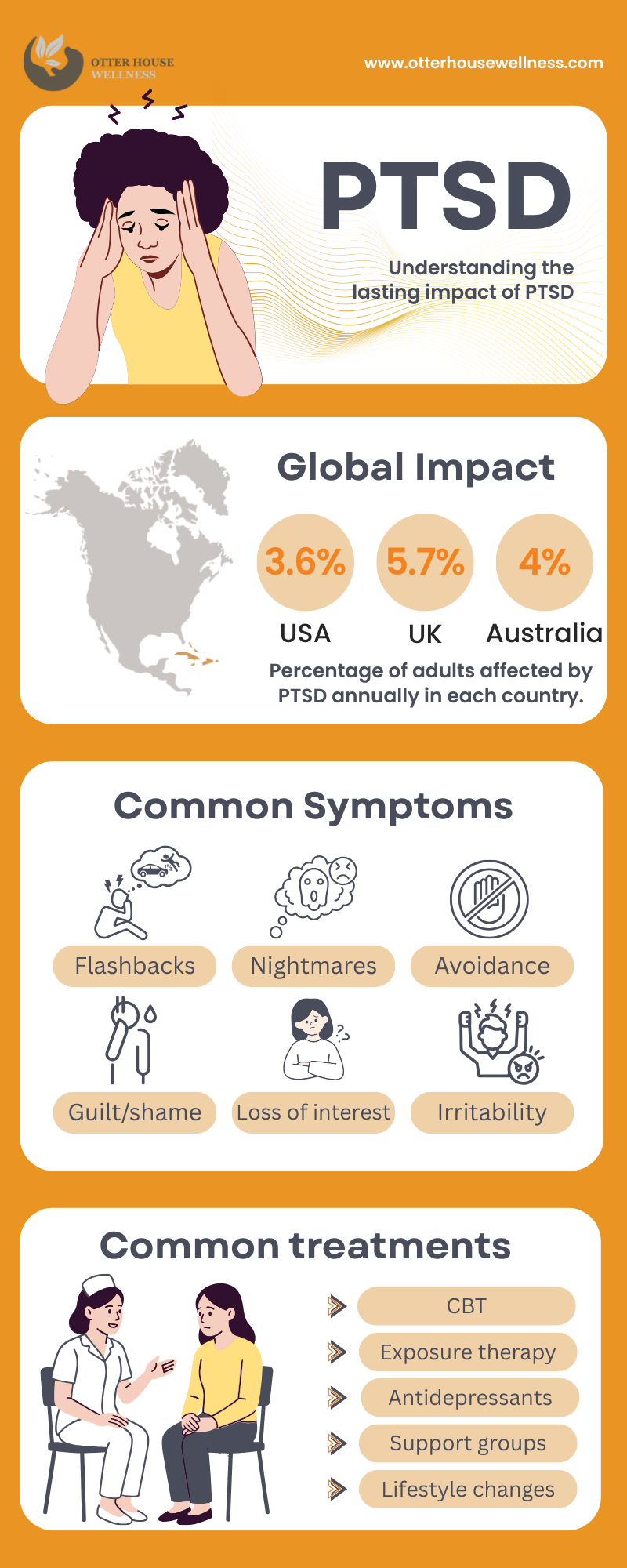
In North Carolina, many veterans are facing a world that seems too loud, too fast, and too disconnected. In fact, research shows that 13% men and 20% women who served the US military in 2022 have been diagnosed with PTSD.
If you’re a veteran who feels off but doesn’t know why, it may be time to pay attention to the signs.
Here are 12 sure-shot signs that it’s time to look into veterans PTSD treatment North Carolina.
1. You Are Always Looking for Threats
In the military, staying alert keeps you safe. You were trained to scan for threats and always know where the exits are. However, if you find yourself constantly checking the room even at a quiet family dinner, your brain is stuck in combat mode.
This is called hyper-vigilance, and it’s a sign that your nervous system is working overtime trying to keep you safe.
2. The Short Fuse is Getting Shorter
Do you find yourself snapping at your spouse or getting angry because someone cut you off?
Sometimes, anger is just a shield. It’s a lot easier to feel angry than it is to admit you’re scared, sad, or hurt.
If your temper is starting to hurt your marriage, your friendships, or your job, don’t ignore it. That anger is usually just a warning light for something deeper that needs to be addressed.
3. You Avoid People
If you find yourself making excuses to stay home, avoiding certain neighborhoods, or skipping family gatherings, take a closer look.
Avoidance is a primary symptom of PTSD. We avoid things that might trigger a memory or a feeling.
4. Falling Asleep is Becoming a Struggle
If you can’t fall asleep, find yourself wide awake in the middle of the night, or wake up drenched in sweat from nightmares, it’s not just bad sleep; it’s a common symptom of PTSD!
When you’re exhausted, your brain struggles to handle stress, which makes it harder to get through the day. It’s a sure-shot sign you need some professional help.
5. You Feel Numb Inside
Do you ever look at your kids or your hobbies and know you should feel happy, but you feel nothing?
This numbness is your brain’s way of trying to protect you from pain, but it ends up blocking out the joy, too.
6. Small Noises Cause Big Reactions
A door slamming or a car backfiring shouldn’t make your heart race like you’re back in a combat zone.
If you jump at every little noise or sudden movement, your body is pumping way too much adrenaline. Feeling jumpy all the time is exhausting and is a clear sign that you need help to reset your system.
7. You’re Turning to Substance Use
In North Carolina, people believe in toughing it out, which often leads veterans to substance use. If you find yourself needing a few drinks every night just to turn your brain off, you aren’t alone, but you are in a dangerous spot.
Substance use often hides the symptoms of PTSD, but it never heals them. In fact, it usually makes the depression and anxiety much deeper.
8. You Get Flashbacks
Many people think a flashback is like a movie; however, in real life, it is different. It might be a smell, a certain tone of voice, or the weather.
If you find yourself re-living the distress of the past in the present, your brain hasn’t really let go of those memories yet.
9. You Feel Like a Stranger in Your Own House
Have you ever felt lonely in a crowded room? Even when you are surrounded by people who love you, you might feel like they don’t understand what you’ve been through. This feeling can make you feel like a ghost in your own life.
To reconnect with your family, start by reaching out to a professional to help you reconnect with yourself.
10. You Blame Yourself for Things Out of Your Control
Feeling guilty because you survived when others didn’t is a heavy weight to carry. If you find yourself stuck in a loop of “I should have done this” or “It should have been me,” you are carrying a burden that wasn’t yours to bear.
PTSD makes you feel like the villain of your own story. Professional support can help you clear away that false guilt and find a way to forgive yourself.
11. You Find it Hard to Concentrate
Do you struggle to read a book, finish tasks at work, or keep up with conversations? If your brain is busy looking for threats or blocking out painful memories, it has little to no energy left for everyday activities.
This brain fog can be very frustrating, but it usually goes away once you deal with the underlying trauma.
12. You’ve Lost Hope That Things Can Change
The most serious sign of PTSD is thinking that you will always feel this way. You may believe that the person you were before your service is lost forever. That is PTSD speaking.
The good news is that the brain can recover. With the right support and tools, you can create a new, peaceful life.
Your Mission Isn’t Over, It Has Just Changed
If you see yourself in 3 or 4 of these signs, it’s time to get help! You don’t have to deal with it yourself or go for therapy that doesn’t fit your needs. There are places that understand veteran experiences, and they know the difference between civilian stress and military trauma.
At Otter House Wellness, we specialize in veterans PTSD treatment North Carolina, offering a clear path back to yourself.
Don’t wait for the perfect time. Contact us at Otter House Wellness today, and let’s start your journey to recovery!
Otter House Wellness
April 10, 2026
- Telehealth Therapy That Accepts Medicaid in North Carolina
 Tired of spending gas money and half a day driving to a therapist? Discover how NC Medicaid lets you see top providers from home with zero copay.
 - Group Therapy Covered by Medicaid in North Carolina
 Replaying the exact same thoughts at 2 AM with no way out? Discover how NC Medicaid fully covers the group therapy hack that breaks your mental loops.
 - Outpatient Mental Health Treatment for Medicaid Recipients in NC
 Did you know you don't need a doctor's referral to start therapy on NC Medicaid? Discover how to access fast, free mental health care from home.
 - Medicaid Mental Health Treatment for Parents and Families in NC
 You can't pour from an empty cup. Discover the "oxygen mask" rule in NC Medicaid that covers parent AND child mental health under one plan.
 - Mental Health Programs for Young Adults on Medicaid in North CarolinaDoes Rhode Island Medicaid cover treatment for addiction and depression? Find out what’s covered, from detox and residential care to PHP, IOP, therapy, and medication.
- ADHD Treatment That Accepts Medicaid in North Carolina
 Looking for ADHD treatment that accepts Medicaid in North Carolina? Learn about treatment options and how support can make daily life easier.
 - Bipolar Disorder Treatment Covered by Medicaid in NC
 Learn about bipolar disorder treatment covered by Medicaid in NC, including therapy, medication, Medicaid plans, and support options at Otter House Wellness.
Recommended Blogs


Telehealth Therapy That Accepts Medicaid in North Carolina

Group Therapy Covered by Medicaid in North Carolina