
Mental Health Care That Fits Between ECU, Commutes, and Family Life
There’s no pause button when anxiety grips you driving down Memorial Drive; depression shadows another humid Pitt County morning. People here balance ECU workdays, Highway 11 commutes, family obligations, and internal battles nobody sees at grocery store checkout lines.
When emotional weight builds quietly, outpatient mental health care becomes less optional and more like essential infrastructure for survival. This article focuses on anxiety and depression – because those conditions quietly affect thousands across Greenville, Winterville, Ayden, and nearby communities.
According to the National Alliance on Mental Illness, anxiety disorders affect over 19 percent of adults annually nationwide. Depression affects nearly 8.4 percent of American adults yearly, often overlapping with anxiety and daily functional impairment.
Pitt County reflects these national trends, intensified by healthcare stressors, academic pressure, and economic instability affecting Eastern North Carolina residents.
Why Anxiety and Depression Hit Harder Locally
Pitt County life doesn’t slow because your chest feels tight or motivation disappears on another rainy Greenville afternoon. Students rush across ECU’s campus, hospital shifts rotate nonstop, and families juggle responsibilities along Tar River neighborhoods daily.
Anxiety and depression rarely announce themselves dramatically; instead, they creep into routines, sleep patterns, and relationships over time. The CDC reports rural and semi-rural counties face higher unmet mental health treatment needs than urban areas nationwide. According to the World Health Organization, depression remains a leading cause of disability worldwide across working-age adults.
Transportation barriers, provider shortages, and stigma still shape care access across Eastern North Carolina communities like Pitt County. That’s why outpatient mental health and IOP services matter so deeply here, meeting people where daily life actually happens.
What Outpatient Mental Health Care Really Means
Outpatient mental health care allows you to receive structured therapy while continuing work, school, and family responsibilities. In Pitt County, outpatient care often means morning appointments before ECU classes or evening sessions after hospital shifts.
This model supports people managing anxiety or depression without requiring inpatient hospitalization or residential treatment separation. Therapy sessions typically occur one to three times weekly, focusing on coping skills, emotional regulation, and symptom management.
For many locals, outpatient care represents the first step toward stability while staying rooted in familiar surroundings.
Understanding Intensive Outpatient Programs in Pitt County
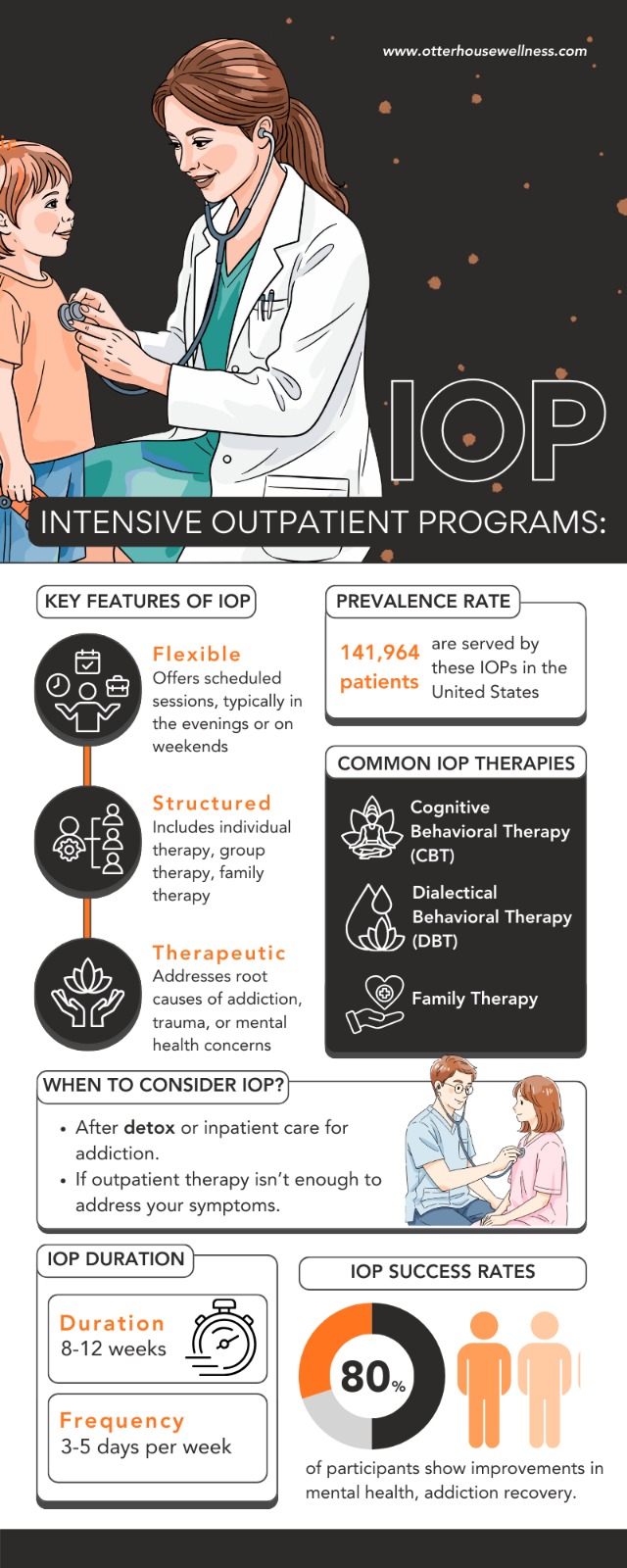
An Intensive Outpatient Program, or IOP, provides deeper support without removing you from your home environment entirely. IOP usually involves nine to fifteen treatment hours weekly, spread across multiple structured therapy sessions.
For residents navigating Pitt County stressors, IOP offers accountability without disrupting employment, education, or caregiving responsibilities. IOP bridges the gap between standard outpatient therapy and inpatient hospitalization, especially for moderate to severe anxiety and depression.
The Substance Abuse and Mental Health Services Administration confirms IOP effectiveness for mood disorder symptom reduction.
How IOP Works for Anxiety and Depression
IOP treatment focuses on skill-building, emotional processing, and behavioral change grounded in real daily challenges. Clients learn cognitive behavioral techniques to interrupt anxious spirals triggered by traffic congestion or work deadlines.
Dialectical behavior therapy tools help regulate intense emotions surfacing during interpersonal conflicts or academic pressure. Group therapy creates shared understanding, reminding participants they aren’t alone in navigating Pitt County’s unique stress landscape.
Medication management may complement therapy, especially when anxiety or depression symptoms impair basic functioning.
Why Anxiety and Depression Need Structured Care
Anxiety disorders and depression are medical conditions, not personal failures or motivational shortcomings. Untreated depression increases risk for chronic illness, substance misuse, and suicide, according to National Institute of Mental Health data.
Anxiety left unmanaged often worsens, shrinking comfort zones until daily tasks feel overwhelming and exhausting. Structured outpatient and IOP care interrupts this progression through consistent therapeutic engagement and accountability.
For Pitt County residents, early intervention preserves relationships, careers, and long-term health outcomes.
How Localized Care Changes Outcomes
Receiving treatment while staying connected to familiar roads, neighborhoods, and routines reduces emotional displacement in meaningful, lasting ways. Healing feels more grounded when therapy fits naturally into daily life between Tar River walks, Winterville grocery runs, and familiar commutes.
Local outpatient programs understand Pitt County’s seasonal stressors, hurricane anxiety, academic cycles at ECU, and healthcare workforce burnout. This local awareness shapes treatment that feels relevant rather than generic or disconnected.
When care reflects real surroundings and lived experiences, people engage more consistently and trust the process more deeply. That connection supports stronger outcomes for anxiety and depression over time.
Subtle Support Without Disrupting Life
Programs like those supported by Otter House Wellness emphasize compassionate, individualized outpatient mental health support. Rather than selling recovery, these models prioritize dignity, flexibility, and realistic progress rooted in everyday experiences.
Support feels less clinical and more collaborative, acknowledging the humanity behind every diagnosis. That matters deeply when anxiety already convinces people they’re failing at life.
What Real Progress Looks Like
Progress doesn’t mean constant happiness or never feeling anxious again, especially while navigating real life in Pitt County. It means fewer panic-filled mornings, better sleep, clearer thinking, and enough emotional steadiness to show up daily. It looks like driving familiar routes without dread, handling responsibilities without constant overwhelm, and reconnecting with people meaningfully.
Moments feel lighter, even when challenges remain present. Outpatient and IOP care focus on helping people function, cope, and regain confidence within everyday routines. The goal isn’t emotional perfection or forced positivity. It’s sustainable stability, realistic healing, and the ability to live fully despite ongoing stressors.
Final Thoughts
Anxiety and depression don’t pause for schedules, seasons, or responsibilities in Pitt County. Outpatient mental health and IOP services exist to meet people where life is already happening, not remove them from it. By staying connected to familiar routines, relationships, and local surroundings, healing feels more achievable and less intimidating.
These programs offer structure without disruption, support without judgment, and progress without unrealistic expectations. For many residents, early and localized care prevents symptoms from becoming crises. Recovery isn’t about becoming someone new or emotionally perfect.
It’s about regaining stability, confidence, and the ability to move through daily life with greater ease. That steady support helps Pitt County residents feel grounded again.
Otter House Wellness
January 29, 2026
- ADHD Treatment That Accepts Medicaid in North Carolina
 Looking for ADHD treatment that accepts Medicaid in North Carolina? Learn about treatment options and how support can make daily life easier.
 - Bipolar Disorder Treatment Covered by Medicaid in NC
 Learn about bipolar disorder treatment covered by Medicaid in NC, including therapy, medication, Medicaid plans, and support options at Otter House Wellness.
 - PTSD and Trauma Therapy Covered by Medicaid in North Carolina
 Learn about PTSD and trauma therapy covered by Medicaid in North Carolina. Explore signs, symptoms, and treatment options to find recovery support.
 - Anxiety Treatment That Accepts Medicaid in NC
 Looking for anxiety treatment that accepts Medicaid in NC? Learn how to find care, understand your options, and choose treatment that fits your needs.
 - Depression Treatment Covered by Medicaid in North Carolina
 Discover how to access depression treatment covered by Medicaid in North Carolina. Learn about therapy, medication, and care options at Otterhouse Wellness.
 - Crisis Stabilization Services Covered by Medicaid in NC
 Think crisis stabilization means a hospital stay? Discover how NC Medicaid can provide a calmer, more personalized path to recovery.
 - 24/7 Mental Health Help Covered by Medicaid in North Carolina
 Need mental health help in the middle of the night? Discover how NC Medicaid provides 24/7 crisis support beyond the emergency room.
Recommended Blogs


ADHD Treatment That Accepts Medicaid in North Carolina

Bipolar Disorder Treatment Covered by Medicaid in NC