
A Practical Guide to IOP Treatment in Cumberland County, NC
Maybe you’ve hit a point where life feels heavy, and help feels out of reach, but you still have responsibilities at home and work.
It’s confusing trying to choose the right help when substance use or mental health issues begin consuming your days and nights. That’s exactly why Intensive Outpatient Programs (IOP) matter here in Cumberland County, NC, because you shouldn’t have to stop living to get better.
IOP treatment supports you with structured care while letting you keep your job, family, and routines in place every single day. It’s not just extra sessions, but a flexible, evidence-based recovery option that adapts to your life, not the other way around.
Let’s break down what IOP actually feels like, why it matters now, and how it can help you move forward without starting over.
Why Intensive Outpatient Program Matters?
Cumberland County still struggles with overdose deaths that exceed the statewide average, with almost 37 deaths per 100,000 residents annually. Even though emergency department visits for overdose have decreased recently, local deaths remain among the highest in the state, showing how intense the crisis still feels here.
In surveys, half of county residents ranked alcohol and drug addiction among the top three health issues affecting their community.
You’re not alone in that experience; other people are struggling with daily life and looking for meaningful help that doesn’t isolate them from family or work.
What Is an Intensive Outpatient Program (IOP)?
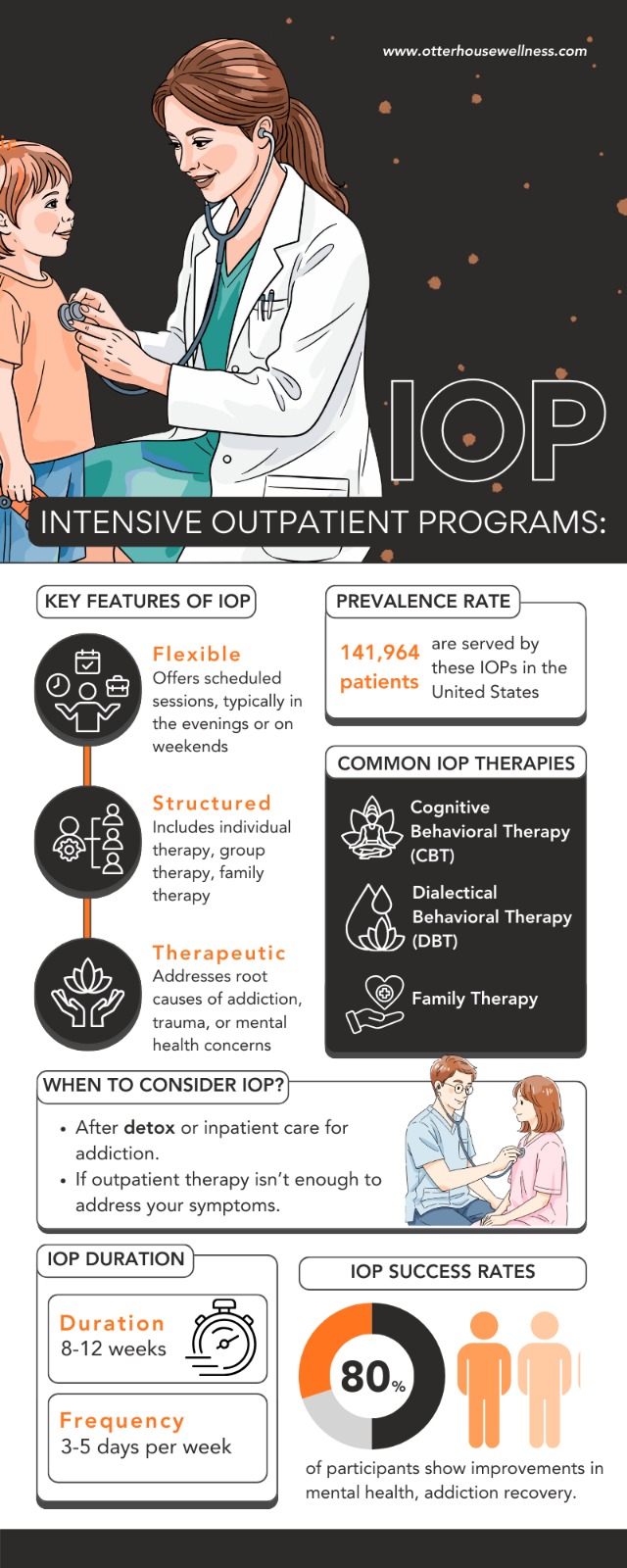
An IOP is a structured non-residential treatment plan designed for people needing more support than weekly outpatient therapy. You attend regular sessions several times per week but still return home, keeping your routines and obligations intact.
Programs typically include group support, individual counseling, family involvement, relapse prevention planning, and education.
Instead of focusing on hours, IOP teaches skills you can immediately apply in real life, where challenges and triggers happen daily.
How Does IOP Work?
With residential programs, you must leave your life temporarily, which can feel isolating or unrealistic for many people.
With IOP, you show up for treatment, then return home each day to practice what you learned and see real, tangible progress.
That continuity helps you build confidence and resilience in the world where your responsibilities actually happen.
Signs It Might Be Time to Consider IOP
If you’re noticing that substance use or mental health challenges are interfering with work, school, or relationships, it may be time to explore IOP. Struggling to maintain daily routines, feeling isolated, or having repeated relapses are also signals that additional structured support could help.
Recognizing these signs early can make your treatment more effective and help you feel supported without disrupting your life.
Features Of IOP Treatment In Cumberland County, NC
Evidence-Based Therapy That Brings Change
IOP programs use proven therapeutic approaches such as Cognitive Behavioral Therapy and motivational interviewing techniques.
Group sessions create shared accountability, reduce isolation, and build community among people navigating similar recovery challenges. That peer support often becomes a protective force long after treatment ends, helping you stay connected and supported.
A Step-Down Level of Care
If you’ve completed inpatient treatment or are transitioning from crisis support, IOP can give ongoing structure while easing you back into everyday life.
This gradual reintegration can reduce relapse risk and help you maintain meaningful routines with community support in place.
Who Can Benefit from IOP?
IOP is designed for anyone struggling with substance use, co-occurring mental health conditions, or needing more support than standard outpatient care.
If you’re juggling work, school, or family responsibilities, IOP can fit your schedule while helping you achieve meaningful progress.
Even if you’ve tried other treatment options before, this structured approach can provide the guidance and accountability you might have been missing.
Benefits That Really Matter
IOP lets you keep daily responsibilities while still receiving focused care that addresses both substance use and mental health needs.
Many people experience sustained improvement after completing IOP, maintaining recovery months beyond treatment.
Group therapy builds connection, emotional safety, and accountability, things that often become cornerstones of long-term recovery.
For many individuals, outcomes in IOP settings match those seen in inpatient programs, with similar gains in functioning and relapse prevention.
What You Can Expect Week by Week
Early weeks often focus on stabilization, assessment, and building trust with your care team.
Middle phases emphasize emotional regulation skills, therapy engagement, and practical coping strategies in a supportive environment.
Later weeks help you prepare for ongoing care, relapse prevention planning, and integrating what you’ve learned into everyday life.
Finding IOP Support in Cumberland County, NC
Cumberland County offers growing access to IOP and outpatient recovery options through community partners and behavioral health networks.
Local providers like Otter House Wellness deliver structured outpatient programs built around evidence-based care and real-life commitments.
Our approach blends clinical support into your life so you can heal without disrupting your stability or responsibilities.
What You Should Know Before You Start
IOP is not a quick fix, but it’s one of the most flexible, research-supported treatment models available to you.
Before enrolling, ask about schedules, insurance coverage, family involvement, relapse planning, and how your progress will be measured.
Understanding these details helps make your recovery plan feel clear and achievable rather than overwhelming.
Tips for Getting the Most Out of IOP
Commitment and consistency are key; attending sessions regularly helps reinforce coping skills and recovery strategies.
Engage actively in group therapy and peer discussions, as shared experiences strengthen motivation and reduce isolation.
Communicate openly with your care team about your challenges, goals, and daily stressors to customize the program to your needs.
Final Thoughts
Choosing IOP treatment in Cumberland County, NC, is a step toward reclaiming your life without sacrificing your responsibilities.
It lets you receive structured, evidence-based care while staying connected to family, work, and daily routines.
Recovery doesn’t have to isolate you; you can build skills, gain peer support, and apply strategies immediately in real-world situations.
Whether you’re transitioning from inpatient care or seeking more support than standard outpatient therapy, IOP offers guidance, accountability, and flexibility.
By committing to the program, you give yourself the chance to heal steadily, strengthen resilience, and create lasting change in your life.
Otter House Wellness
January 21, 2026
- Rehab for Professionals in North Carolina (Executives, Business Owners)
 High performance often hides high stress. Learn how executive rehab programs in NC offer confidential recovery without stepping away from your responsibilities.
 - Private Rehab in Asheville, NC (Luxury Treatment Options)
 Why do so many people avoid rehab, even when they need it? The answer may lie in privacy, comfort, and outdated treatment models.
 - Mental Health Treatment Programs in Asheville, NC
 Is it stress, isolation, or something deeper? Explore what’s driving Asheville’s mental health crisis.
 - Medical Detox Near Asheville, NC
 Struggling to quit on willpower alone? Here’s why detox near Asheville may be the safer path forward.
 - Relapse Prevention Programs in Asheville, NC
 Learn how relapse prevention Asheville programs help you stay sober with 10 practical strategies and ongoing support in North Carolina.
 - Outpatient Rehab vs PHP vs IOP: Which Is Right for You?
 PHP vs IOP vs outpatient rehab explained. Learn which rehab program fits your needs and get guidance from Otter House Wellness in Asheville.
 - Dual Diagnosis Treatment in Asheville, NC (Complete Guide)
 Therapy helps. Rehab helps. But why do so many people relapse anyway? The answer may lie in what’s being missed.
Recommended Blogs


Rehab for Professionals in North Carolina (Executives, Business Owners)

Private Rehab in Asheville, NC (Luxury Treatment Options)