
7 Ways to Find Calm: A Guide to Veterans Anxiety Treatment North Carolina
The transition from military service to civilian life is often described as leaving one world and entering another without a map. For many veterans in North Carolina, this change comes with a continuous sense of unease. Whether it’s that on-edge feeling that never goes away, difficulty being around crowds, or racing thoughts that keep you up at night, anxiety is one of the most common and often misunderstood challenges veterans face.
Feeling overwhelmed is not a weakness. It is a normal reaction to the stressful and demanding environment of military service.
Here are 7 practical ways to help with veterans anxiety treatment North Carolina and to find your way back to calm.
1. Identify Your Triggers and Patterns
Anxiety often has specific triggers. For some, it might be loud, unexpected noises; for others, it could be crowded spaces, driving in heavy traffic, or even specific dates on the calendar.
Start by tracking when your anxiety spikes. Recognizing these patterns helps you prepare for them instead of feeling surprised. In North Carolina, local veteran support groups often talk about common environmental triggers. This can make you feel less alone in your reactions.
2. Practice Grounding and Nervous System Regulation
When your mind starts to race or you feel like you are losing control, you need a way to bring yourself back to the present. Grounding techniques are simple, physical ways to tell your nervous system that you are safe right now.
A popular method is the 5-4-3-2-1 technique:
- Name 5 things you can see.
- Name 4 things you can touch.
- Name 3 things you can hear.
- Name 2 things you can smell.
- Name 1 thing you can taste.
Additionally, focused breathing, such as Box Breathing, can physically lower your heart rate and signal your brain to step down from a fight or flight state.
3. Seek Specialized Therapy (CBT and ACT)
Cognitive Behavioral Therapy (CBT) is one of the best treatments for anxiety. It doesn’t involve lying on a couch and discussing your childhood; instead, it focuses on building practical skills. CBT helps you recognize negative thought patterns and provides tools to change them.
Acceptance and Commitment Therapy (ACT) is another helpful way to manage anxiety. It teaches you to stop fighting your anxious thoughts. Instead, you learn to take actions that align with your personal values. For veterans, this often means finding ways to live a full life, even if some anxiety still exists.
4. Explore Trauma-Informed Care (EMDR and Neurofeedback)
Anxiety often comes from past experiences that you haven’t fully dealt with. If your fight or flight response is stuck in the “on” position, the following trauma-focused therapies can be life-changing.
EMDR (Eye Movement Desensitization and Reprocessing)
This helps your brain deal with traumatic memories so they don’t feel like they are happening right now.
Neurofeedback
Many clinics in North Carolina, like Otter House Wellness, use advanced methods to help you retrain your brain patterns for more relaxed and stable states. These methods are based on strong evidence and are often called a mirror for the brain.
5. Go For Dual Diagnosis
It is very common for veterans to turn to alcohol or substances to reduce anxiety. While a drink might help you relax for an hour, it usually makes the anxiety much worse the next day.
If you are struggling with both anxiety and substance use, it is critical to find a dual diagnosis program. Treating one without the other makes progress slow and relapse common. Integrated treatment helps manage both anxiety and coping skills at the same time.
6. Prioritize Physical Movement
Military training shows us that our body and mind are linked. Anxiety can cause physical symptoms, like tense muscles and quick breathing. Regular exercise helps by releasing endorphins, which are natural stress relievers.
North Carolina offers a unique advantage here. There are many trails for hiking and walking, or spending time on the coast. Nature-based therapy is a powerful tool for grounding. So, it is very important to get out of your head and into your body to manage anxiety symptoms.
7. Navigate Your Benefits
One of the hardest parts of getting help is dealing with the paperwork and costs. It can be quite overwhelming just to figure out where to start.
Many centers in North Carolina help veterans transition from military life to care. Instead of figuring out insurance and benefits alone, find a place, like Otter House Wellness, with a dedicated team to assist you. They can check your eligibility and explain your options clearly.
Reclaiming Your Life: Why Now is the Time?
Anxiety does not have to be your new normal. It is a highly treatable condition, and seeking help is not a sign that you are broken; it’s a sign that you are taking charge of your life!
North Carolina has a strong and proud community of veterans, and many resources to help you succeed.
If you are looking for a place that truly understands the veteran experience, Otter House Wellness offers specialized, evidence-based veteran anxiety treatment North Carolina, designed specifically to address trauma, anxiety, and wellness.
Our team focuses on helping people transition back to civilian life. We provide safe support and treatment, keeping your years of service in mind. We also offer practical tools to help you start a new and peaceful chapter in your life.
If you feel like you are standing on the edge of a cliff, take the first step today! Reach out to us by call or message, and we will guide you through your journey to recovery.
You have served your country with honor. Now, it is time to focus on your own well-being. A brighter and more stable future is possible, and there is a community here ready to support you at every step!
Otter House Wellness
April 9, 2026
- Veterans Anxiety Treatment North Carolina
 Struggling with anxiety after service? Here’s a guide to veterans anxiety treatment North Carolina, with 7 ways to manage it. Reclaim your peace today.
 - Veterans Depression Treatment North Carolina
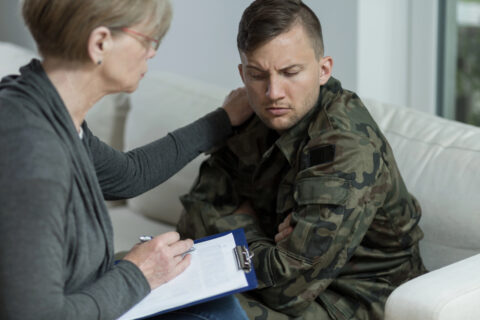 Struggling with depression after service? Discover veterans depression treatment North Carolina, and find your path to healing with Otter House Wellness.
 - Rehab for Professionals in North Carolina (Executives, Business Owners)
 High performance often hides high stress. Learn how executive rehab programs in NC offer confidential recovery without stepping away from your responsibilities.
 - Private Rehab in Asheville, NC (Luxury Treatment Options)
 Why do so many people avoid rehab, even when they need it? The answer may lie in privacy, comfort, and outdated treatment models.
 - Mental Health Treatment Programs in Asheville, NC
 Is it stress, isolation, or something deeper? Explore what’s driving Asheville’s mental health crisis.
 - Medical Detox Near Asheville, NC
 Struggling to quit on willpower alone? Here’s why detox near Asheville may be the safer path forward.
 - Relapse Prevention Programs in Asheville, NC
 Learn how relapse prevention Asheville programs help you stay sober with 10 practical strategies and ongoing support in North Carolina.
Recommended Blogs

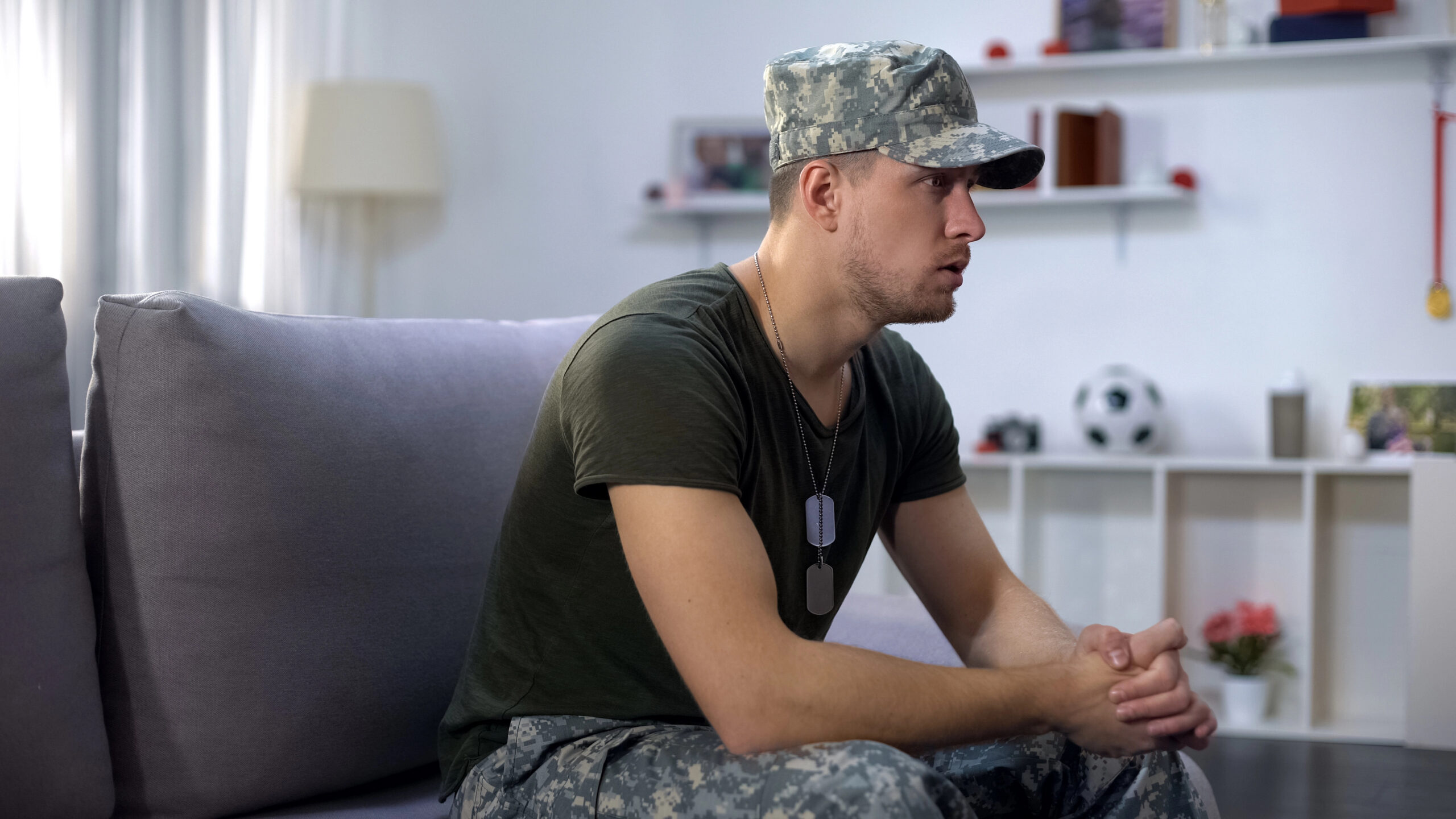
Veterans Anxiety Treatment North Carolina
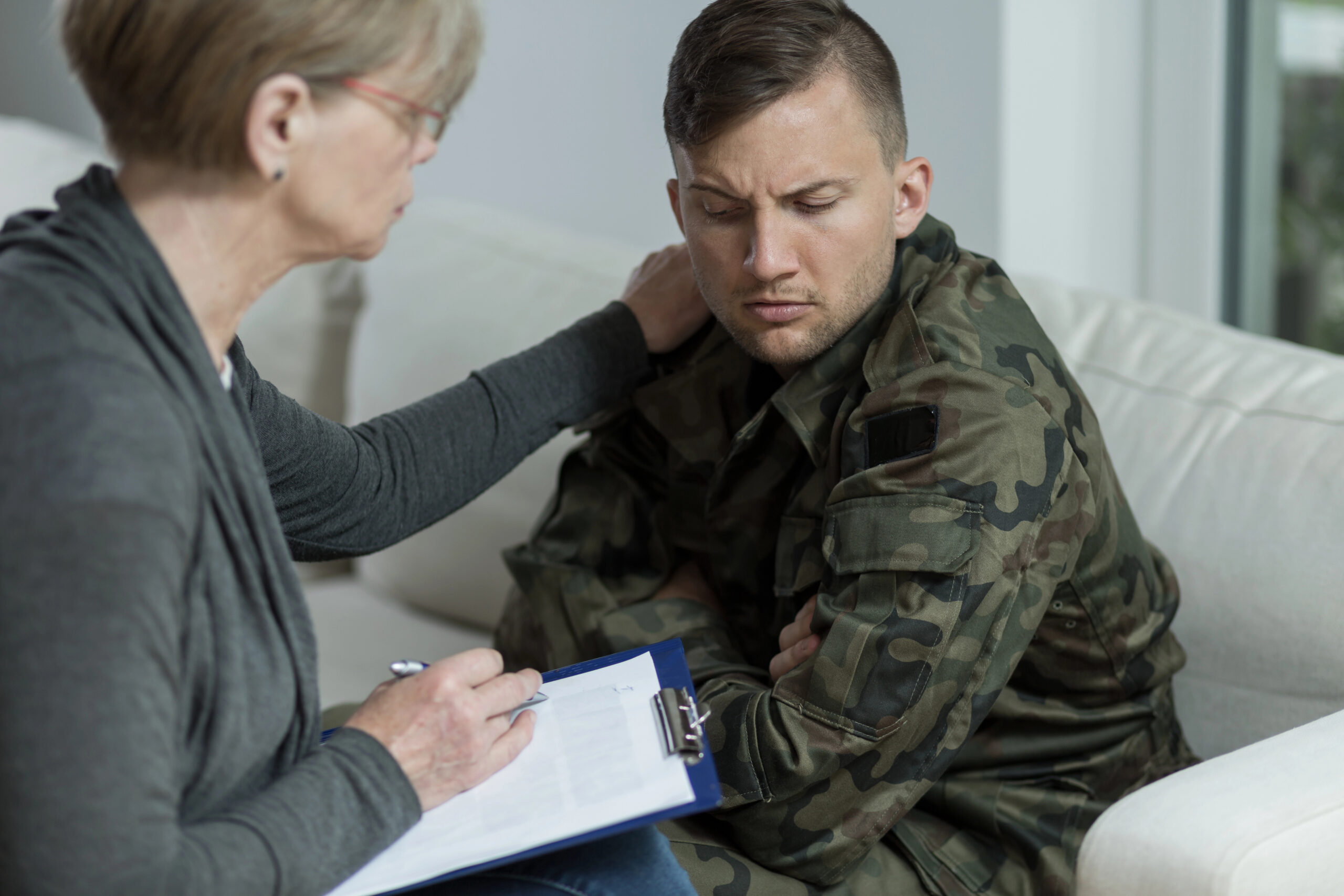
Veterans Depression Treatment North Carolina