
Healing After Service: A Comprehensive Guide to Veterans Depression Treatment North Carolina
Transitioning from military life to civilian life can be difficult. Many veterans face challenges from their past experiences, which can lead to feelings of sadness, isolation, or hopelessness.
Research shows that almost 20% of veterans show signs of depression after their military service ends.
If you or a loved one is a veteran in North Carolina dealing with depression, remember this: You are not alone, and you don’t have to face this struggle by yourself!
In this guide, we will help you understand what depression looks like in a military context and how to find the best veterans depression treatment North Carolina.
Recognizing the Signs
Depression affects people in different ways. In military culture, which is all about strength and keeping emotions in check, depression can often hide behind a mask. Many people try to ignore these feelings, believing that toughing it out is the solution.
However, if these feelings start to disrupt your daily life, relationships, or health, it’s important to recognize that this is your body’s way of telling you to seek help.
For many veterans, depression shows up in ways that might not seem like depression at first:
Irritability and Anger
You might find yourself snapping at family members or feeling an intense sense of frustration over small inconveniences.
Physical Aches
Chronic back pain, headaches, or digestive issues that don’t have a clear medical cause are often linked to mental health.
The Flat Feeling
A sense of numbness or being gray inside. You aren’t necessarily crying; you just don’t feel joy or excitement about anything anymore.
Hyper-Vigilance
Always looking for the exit or feeling like you’re on edge, which leads to total mental exhaustion.
Social Withdrawal
Avoiding the VFW, skipping family dinners, or staying in a dark room because interacting with others feels like too much work.
The Connection Between Service, Trauma, and Depression
In North Carolina, many veterans find that their depression is tied to their time in service. This is especially true if you are dealing with PTSD. While they are two different diagnoses, they often feed into each other.
Losing your tribe or sense of purpose can lead to depression for veterans. When you leave the military, you lose a support system that understands you without needing words. Finding a new community is an important part of the healing process.
Why North Carolina is a Unique Place for Healing?
North Carolina has a strong military history, with places like Fort Liberty and Camp Lejeune. Because of this, the state has many healthcare providers who understand military culture. You don’t need to explain what a PCS is or why some dates are tough for you; these providers already get it.
Treatment Options That Work
There is no one-size-fits-all approach, but the following evidence-based treatments have proven highly effective for veterans:
1. Cognitive Behavioral Therapy (CBT)
Cognitive Behavioral Therapy (CBT) is a practical form of therapy that focuses on the present. It helps you identify negative thoughts, like “I’m a failure” or “The world is dangerous,” and teaches you how to change those thoughts. CBT trains your brain to respond in a healthier way to what happens around you.
2. EMDR (Eye Movement Desensitization and Reprocessing)
For veterans whose depression comes from trauma, EMDR can make a big difference. It helps the brain process traumatic memories so they don’t feel like they are happening right now.
3. Outpatient Care (PHP and IOP)
Many veterans in North Carolina benefit from Partial Hospitalization Programs or Intensive Outpatient Programs. These allow you to get high-level care during the day while still sleeping in your own bed at night. This is a great middle-ground for those who have families or jobs but need more than just a one-hour therapy session once a week.
4. Peer Support Groups
People who have worn the uniform share a special way of communicating. Group therapy with other veterans helps reduce feelings of isolation. When you know that the person sitting across from you has experienced the same numbness, it becomes easier to share your feelings.
Practical Steps to Start Feeling Better Today
While professional treatment is the gold standard, there are small things you can do right now to begin shifting the needle:
Establish a Routine
The military runs on schedules. Creating a simple daily routine at home can help reduce depressive thoughts.
Get Outside
North Carolina has incredible natural beauty. Whether it’s a walk in the Blue Ridge Mountains or a stroll on a Wilmington beach, being in nature is scientifically proven to lower cortisol levels.
Limit Alcohol
Alcohol is a depressant. Even if it helps you fall asleep, it ruins the quality of that sleep and makes the next day’s depression much heavier.
Reach Out to One Person
Every now and then, send a text to an old buddy or a family member saying, “Hey, I’m having a rough week.” Breaking the silence can do wonders.
Why Taking the First Step is an Act of Courage?
It takes more courage to admit that you are having a hard time than to stay quiet and suffer in silence. In the military, you learned never to leave anyone behind, and that includes yourself.
If you feel like you are lost, keep in mind that it is not a character flaw. It is a health issue, and like a broken leg or a physical injury, it needs professional help to heal properly.
Finding Your Path in North Carolina
At Otter House Wellness, we aim to provide a supportive environment. We focus on personalized care that honors your service and offers you the tools to start a new chapter in your life.
Healing is not a straight path. There will be good days and hard days, but with the right support, those hard days become fewer and less frequent.
If you or a veteran you know is struggling, reach out to us today.
A brighter, more stable future is possible, and we are here to walk you through that road!
Otter House Wellness
April 9, 2026
- Mental Health Hospital North Carolina
 Searching for a mental health hospital North Carolina? Discover why Otter House Wellness is the trusted choice for simple and personalized family care.
 - Drug Rehab North Carolina
 Searching for drug rehab North Carolina? Learn how specialized, veteran-focused care at Otter House Wellness can help you move from survival to stability.
 - Partial Hospitalization Program North Carolina
 You go home every night… yet heal all day. How does a structured PHP actually work for veterans dealing with PTSD, anxiety, or depression? The answer may surprise you.
 - Veterans PTSD Treatment North Carolina
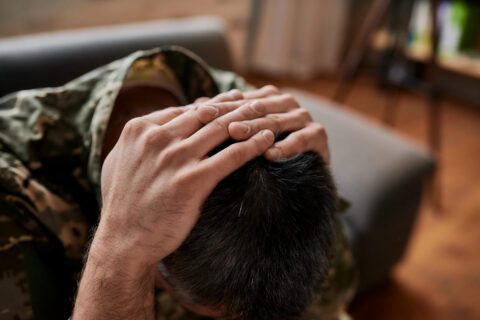 Recognizing the signs is the first step. If you're struggling with PTSD, discover how veterans PTSD treatment North Carolina can help you heal.
 - Veterans Anxiety Treatment North Carolina
 Struggling with anxiety after service? Here’s a guide to veterans anxiety treatment North Carolina, with 7 ways to manage it. Reclaim your peace today.
 - Veterans Depression Treatment North Carolina
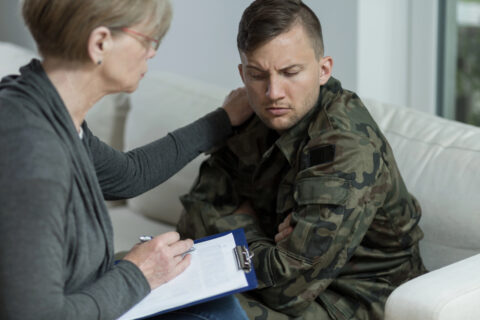 Struggling with depression after service? Discover veterans depression treatment North Carolina, and find your path to healing with Otter House Wellness.
 - Rehab for Professionals in North Carolina (Executives, Business Owners)
 High performance often hides high stress. Learn how executive rehab programs in NC offer confidential recovery without stepping away from your responsibilities.
Recommended Blogs


Mental Health Hospital North Carolina

Drug Rehab North Carolina