
When Weekly Therapy Isn’t Enough: IOP Options in New Hanover County, NC
There’s no pause button when life’s weight feels too heavy, and your mental health feels impossible to manage on your own. Every day, people in New Hanover County juggle work demands, family needs, and the tightrope of maintaining mental stability and sobriety.
When you wake up anxious or overwhelmed without support, each sunrise can feel like a mountain that never gets easier to climb. An Intensive Outpatient Program (IOP) can become the bridge between daily life’s pressures and professional care that truly supports sustainable recovery.
This article explores what IOP is, how it works locally, and why it offers real hope for lasting change.
What Is an Intensive Outpatient Program?
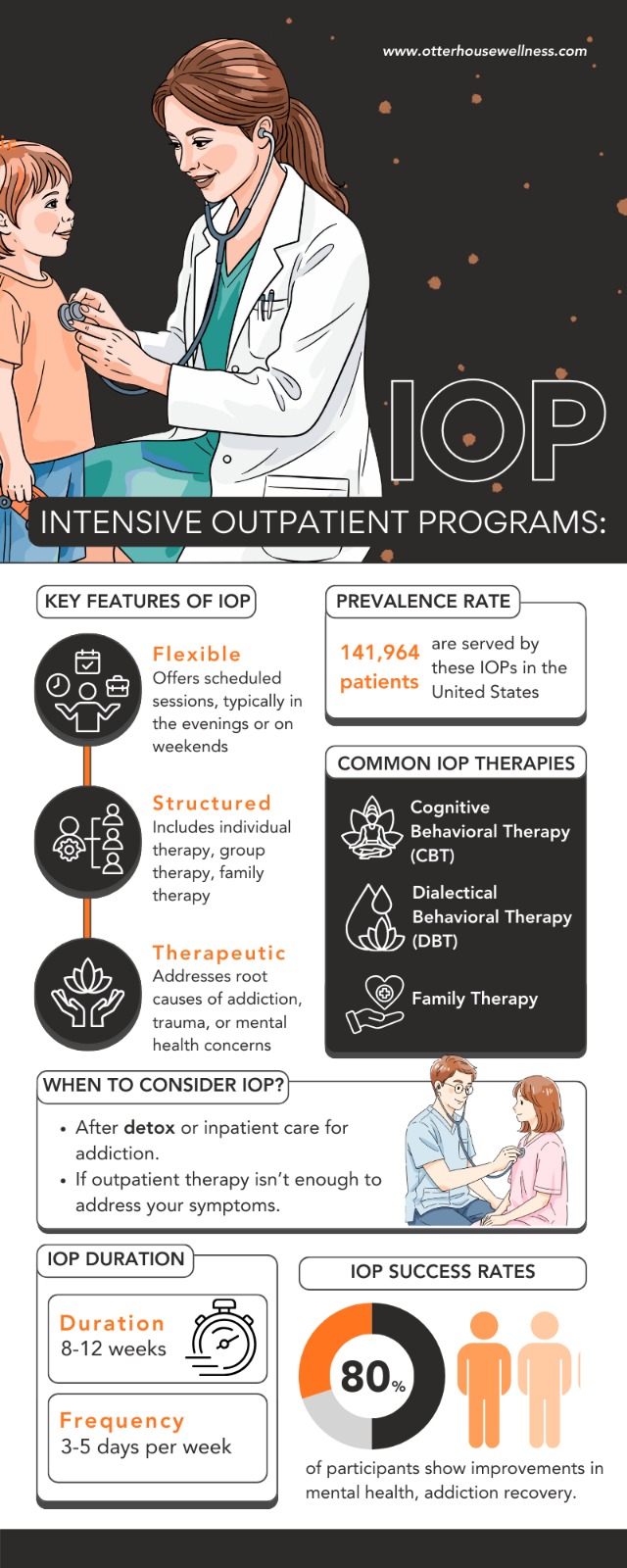
An Intensive Outpatient Program, often called IOP, is a structured, nonresidential treatment for mental health and substance use disorders. IOP provides therapy, education, and accountability without requiring an overnight hospital stay, making recovery more accessible.
Participants typically attend three to five sessions weekly, each lasting several hours, while continuing to live at home. This flexible structure allows you to maintain work, school, or family responsibilities while developing healthier coping strategies.
Most programs blend individual therapy, group sessions, and family involvement to support recovery across all areas of life.
A Bridge Between Everyday Life and Real Support
IOP exists for people who need more than weekly therapy but cannot step away from daily responsibilities. It offers a consistent structure while allowing you to stay connected to work, family, and everyday routines.
Instead of pausing your life, IOP weaves treatment into it in a realistic, sustainable way. You practice coping skills in real time, then return to sessions to process what worked and what didn’t. This ongoing feedback loop helps recovery feel practical rather than overwhelming.
With professional guidance and peer support, you are not carrying everything alone anymore.
IOP becomes the middle ground where real life and real healing finally meet.
What Happens in IOP, Topics, and Treatment
IOP treatment often focuses on relapse prevention planning, emotional regulation, communication skills, and long-term wellness strategies. Group therapy builds practical coping skills that can be used immediately in everyday situations.
Individual therapy allows you to explore personal triggers, mental health challenges, and recovery goals in a confidential setting. Many programs include family sessions, helping loved ones understand how to support recovery more effectively.
Psychoeducation helps reduce stigma by explaining the biological and psychological foundations of addiction and mental health conditions.
IOP vs Other Levels of Care
IOP sits between standard outpatient therapy and partial hospitalization programs in intensity and structure. Unlike inpatient treatment, IOP allows participants to return home each night and remain connected to daily life.
Partial hospitalization programs require more daily hours, while IOP balances treatment with real-world responsibilities. This flexibility reduces barriers to care for people managing jobs, school, or caregiving obligations. Many individuals step into IOP after inpatient treatment to maintain progress during reintegration.
Who Can Benefit From IOP
Adults struggling with substance use or co-occurring mental health disorders often benefit from structured outpatient care. People experiencing anxiety, depression, or trauma gain practical skills through evidence-based therapies.
Adolescents with behavioral or emotional challenges may also benefit from age-appropriate IOP programming. Individuals transitioning from inpatient care use IOP to stabilize routines and reinforce recovery tools. Those experiencing acute psychiatric symptoms may require inpatient care before stepping down into IOP services.
Why New Hanover County Needs Strong IOP Mental Health Support
County behavioral health data shows thousands of New Hanover residents rely on outpatient mental health and substance use services each year (see local service data).
In addition, New Hanover County’s Health Needs Assessment reports that drug overdose deaths nearly doubled between 2014 and 2020, with overdose rates rising to 39.7 per 100,000, the highest among peer counties in recent years, highlighting the urgency of community-wide support systems.
This demand underscores the importance of accessible, high-quality Intensive Outpatient care. Otter House Wellness meets this need by offering structured IOP services designed around real-life schedules and long-term recovery outcomes.
Benefits You Can Expect From IOP
IOP allows you to continue daily responsibilities while engaging in consistent, meaningful treatment. Group settings foster connection, reducing isolation and shame often associated with mental health struggles. Evidence-based approaches like CBT and DBT build long-term emotional resilience and relapse prevention skills.
Many participants report improved coping abilities and increased confidence after completing IOP care. Family involvement often strengthens recovery outcomes by improving communication and support systems.
Healing Alongside Others Who Understand
Group therapy connects you with people facing similar struggles, reducing isolation and self-blame. Sharing experiences in a supportive setting helps normalize emotions that often feel overwhelming when carried alone.
Listening to others’ stories can spark insight, motivation, and hope during difficult moments.
Group sessions offer accountability while reminding you that setbacks do not mean failure.
Over time, this shared experience builds trust, confidence, and a sense of belonging in recovery.
Choosing the Right IOP Provider
When choosing an IOP provider, look for licensed professionals using evidence-based treatment approaches. Accreditation and positive client feedback often indicate quality and ethical care standards.
Scheduling flexibility is essential to ensure treatment complements, rather than disrupts, your daily routine. Providers who emphasize collaboration help clients feel empowered throughout recovery. Clear communication about treatment goals, expectations, and outcomes builds trust from the beginning.
Final Thoughts
Intensive Outpatient Programs in New Hanover County provide crucial support for people balancing daily responsibilities while pursuing meaningful, long-term recovery. IOP bridges the gap between everyday life and professional care, offering structure, guidance, and practical tools without pausing your world.
Through individual therapy, group sessions, and family involvement, participants develop practical skills, emotional resilience, and a sense of belonging that fosters lasting, positive change. The program meets people where they are, helping them navigate real-life challenges while building a strong foundation for mental health, wellness, and sobriety.
Choosing the right provider ensures care fits your schedule, empowers your recovery journey, and connects you with ongoing support systems that extend far beyond clinic walls. Take the first step toward lasting recovery today by exploring Otter House Wellness’ Intensive Outpatient Program, designed to support your real-life schedule and goals.
Otter House Wellness
January 27, 2026
- ADHD Treatment That Accepts Medicaid in North Carolina
 Looking for ADHD treatment that accepts Medicaid in North Carolina? Learn about treatment options and how support can make daily life easier.
 - Bipolar Disorder Treatment Covered by Medicaid in NC
 Learn about bipolar disorder treatment covered by Medicaid in NC, including therapy, medication, Medicaid plans, and support options at Otter House Wellness.
 - PTSD and Trauma Therapy Covered by Medicaid in North Carolina
 Learn about PTSD and trauma therapy covered by Medicaid in North Carolina. Explore signs, symptoms, and treatment options to find recovery support.
 - Anxiety Treatment That Accepts Medicaid in NC
 Looking for anxiety treatment that accepts Medicaid in NC? Learn how to find care, understand your options, and choose treatment that fits your needs.
 - Depression Treatment Covered by Medicaid in North Carolina
 Discover how to access depression treatment covered by Medicaid in North Carolina. Learn about therapy, medication, and care options at Otterhouse Wellness.
 - Crisis Stabilization Services Covered by Medicaid in NC
 Think crisis stabilization means a hospital stay? Discover how NC Medicaid can provide a calmer, more personalized path to recovery.
 - 24/7 Mental Health Help Covered by Medicaid in North Carolina
 Need mental health help in the middle of the night? Discover how NC Medicaid provides 24/7 crisis support beyond the emergency room.
Recommended Blogs


ADHD Treatment That Accepts Medicaid in North Carolina

Bipolar Disorder Treatment Covered by Medicaid in NC