
How Can IOP and Behavioral Health Resources in Buncombe County, NC, Help You
When mental health challenges interfere with your daily life, it’s easy to feel you are carrying a heavy weight all on your own. There is a feeling of being stuck, which is overwhelming and makes you believe things will always stay this way.
However, know that your struggles do not define your future. Also, there are people who understand what you are going through and can lend a helping hand. Interestingly, mental and behavioral health support is often much closer than it seems, yet you don’t approach it.
And once you take that first step, your recovery becomes a real possibility. Among the most reliable help options also come IOP resources in Buncombe County, NC, that make change more manageable and sustainable.
If you’re on the fence about entering an intensive outpatient program for your behavioral health, this blog explains it all. Keep reading to know IOP resources in Buncombe County, NC, are changing lives.
High-Density Clinical Progress
Standard therapy doesn’t always deliver desired results because it’s slow. Most of your time with the therapist is spent discussing the events of the past week, and you hardly get deep enough to fix the underlying issues. And when there are no fast results, many people give up.
Therefore, IOP resources in Buncombe County, NC, provide a high-density clinical program. Since you attend multiple sessions every week, there is a compounding effect where each day builds on the lessons of the previous one.
And because there are no long gaps, you focus on your goals and can avoid falling back into old patterns. Such a structure also makes the hard work of recovery feel organized and doable. The intensity of IOP resources in Buncombe County, NC, also means you reach mental breakthroughs in a fraction of the time and feel your mindset shifting in real-time.
Timely Feedback and Improvement
The true test of any mental health strategy is how it works when you’re alone. An inpatient mental health treatment often takes place in a bubble away from your normal environment. While this schedule has its own benefits, it’s difficult to know if your new skills will handle your problems outside the treatment.
That’s why IOP resources in Buncombe County, NC, ensure a feedback loop where you do not have to wait weeks to discuss a challenge with your therapist. Instead, you can practice a coping skill today and talk about the results tomorrow, and improve it accordingly.
Such a reality-based approach makes mental health recovery much more practical because you deal with your actual stressors while receiving treatment. If a specific technique does not work during a difficult moment at home, the staff helps you refine it right away. Having this immediate support also builds your confidence, as you see small wins every day.
A Whole Team in Your Corner
Every professional has an area of expertise. If you only talk to one person, they might miss a specific detail about your health or behavior. This situation might create blind spots in your treatment, which is why IOP resources in Buncombe County, NC, let you work with a whole team of experts.
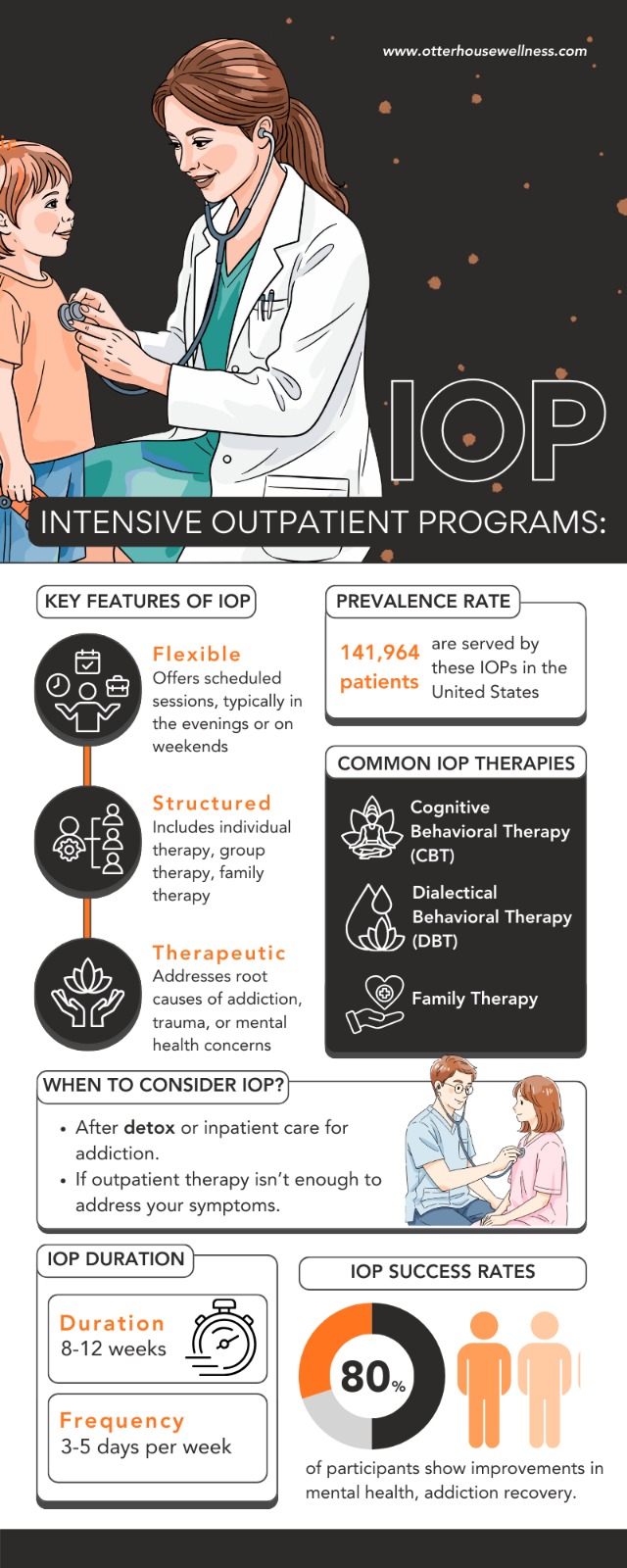
During your intensive outpatient treatment, you get access to doctors, licensed therapists, and peer specialists together in your case. Such a power pack of experts means each team member looks at your situation from a different angle. For example, the doctor monitors your medication needs while the therapist focuses on your emotional patterns. With time, this collaboration ensures that your treatment plan doesn’t leave any loose ends.
Maintaining Life Outside the Diagnosis
There is a major psychological benefit to keeping your normal routine while you heal. Since most inpatient mental health programs require you to pause your life, it can lead to a feeling of institutional dependence. To end that thought of you only feeling safe inside a facility, IOP resources in Buncombe County, NC, encourage self-reliance. You stay in touch with your family and keep up with your professional responsibilities during an intensive outpatient treatment.
In simple terms, this means building recovery around your life and not putting your world on hold. When you attend treatment during the day and go home at night, you get to apply what you learned. This also helps you maintain your identity and proves that you are more than just a diagnosis. The resulting balance makes long-term success much more likely because the transition to life after the program is seamless.
Small Problems Don’t Get Out of Hand
Small problems can turn into major emergencies when ignored. For instance, if you only see a doctor once a month, a minor setback has plenty of time to spiral out of control. Add to that the fact that you might not even realize things are going bad until you are in the middle of a full-scale crisis, and it’s a recipe for a complete meltdown.
That’s why IOP resources in Buncombe County, NC, stop this cycle. You see your team several times a week, and they know your normal behavior, which helps them spot a negative change in your mood or energy.
This constant care allows for quick adjustments, which keep small issues from growing into big disasters. A reliable level of support often prevents the need for a hospital stay. You get the help you need exactly when your symptoms begin to flare up. It is much easier to fix a small problem today than a massive crisis next week.
Don’t Let Stumbles Become Falls
Getting a hold of things before they go bad is possible with reliable IOP resources in Buncombe County, NC. These places don’t bind you for weeks or months and integrate proper care into your regular life. If you’re tired of running away from your emotions or thoughts, reach out to Otter House Wellness and let’s figure it out together.
Otter House Wellness
January 29, 2026
- Telehealth Therapy That Accepts Medicaid in North Carolina
 Tired of spending gas money and half a day driving to a therapist? Discover how NC Medicaid lets you see top providers from home with zero copay.
 - Group Therapy Covered by Medicaid in North Carolina
 Replaying the exact same thoughts at 2 AM with no way out? Discover how NC Medicaid fully covers the group therapy hack that breaks your mental loops.
 - Outpatient Mental Health Treatment for Medicaid Recipients in NC
 Did you know you don't need a doctor's referral to start therapy on NC Medicaid? Discover how to access fast, free mental health care from home.
 - Medicaid Mental Health Treatment for Parents and Families in NC
 You can't pour from an empty cup. Discover the "oxygen mask" rule in NC Medicaid that covers parent AND child mental health under one plan.
 - Mental Health Programs for Young Adults on Medicaid in North CarolinaDoes Rhode Island Medicaid cover treatment for addiction and depression? Find out what’s covered, from detox and residential care to PHP, IOP, therapy, and medication.
- ADHD Treatment That Accepts Medicaid in North Carolina
 Looking for ADHD treatment that accepts Medicaid in North Carolina? Learn about treatment options and how support can make daily life easier.
 - Bipolar Disorder Treatment Covered by Medicaid in NC
 Learn about bipolar disorder treatment covered by Medicaid in NC, including therapy, medication, Medicaid plans, and support options at Otter House Wellness.
Recommended Blogs


Telehealth Therapy That Accepts Medicaid in North Carolina

Group Therapy Covered by Medicaid in North Carolina