
When Life Can’t Pause: IOP Services Near Lenoir County, NC
There’s no off-switch when substance use or emotional struggles disrupt your life in Lenoir County, North Carolina. When the sun rises over the Neuse River, thinking about how things used to be, everyday life can feel heavy and overwhelming without support. You deserve help that fits your busy life, respects the local pace, and meets you where you are, without requiring a stay in a hospital bed or an extended residential program.
Intensive Outpatient Programs (IOP) are increasingly recognized as effective paths to recovery for residents of Lenoir County and surrounding areas. They let you keep living at home while getting structured support that makes a real difference. This article focuses on why IOP matters here, how it works, and where you can find services near Lenoir County, NC.
Why IOP Matters in Lenoir County
Life in Lenoir County isn’t just small town charm and local festivals; it’s also a community facing real challenges with substance use and behavioral health. Recent health data shows 53 emergency department visits for overdoses involving dependency-potential medications or drugs in 2024 alone in Lenoir County, a number that can reflect both growing need and gaps in support systems.
That figure doesn’t capture everyone struggling now, but it does show that addiction and unintentional poisonings are very real concerns for families here. The local Community Health Needs Assessment also highlights behavioral health as a major priority for the county.
In a place where people drive miles to see loved ones, take shift work at local factories, or juggle trips up US-70 or I-95 for appointments, traditional outpatient therapy isn’t always enough, but long residential stays aren’t always possible either. That’s where IOP finds its purpose.
What Is an Intensive Outpatient Program (IOP)?
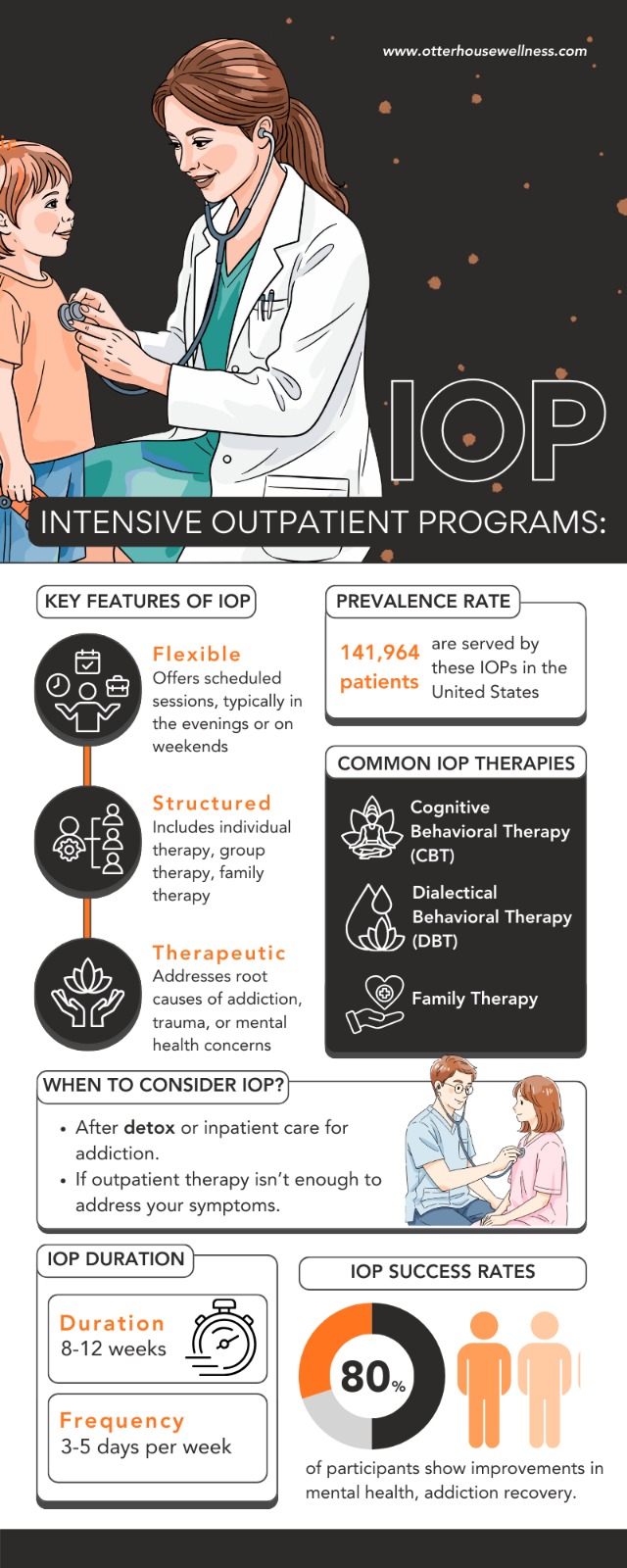
IOP is not a phrase from a medical textbook. It’s real-world help that gives people structured treatment several hours a day, on multiple days per week, while they continue to live at home.
Instead of staying overnight in a facility, you go to counseling, group therapy, and education sessions on a schedule that fits your life.
That’s especially meaningful when you are balancing family, work, and local rhythms in places like Kinston, Pink Hill, or Deep Run. Here’s how IOP differs from other care options:
- IOP brings you in for regular, intense sessions several times a week.
- You sleep at home, maintain routines, and stay connected to your support network.
- You learn coping strategies that you can use immediately, where life actually happens.
IOP can be part of a long-term recovery plan or a step down after inpatient or detox care, giving your brain and body time to stabilize in your everyday environment.
How IOP Works
IOP programs typically combine several evidence-based components:
Group Therapy
Being in a room with peers who genuinely understand what you’re facing, without judgment, can be powerful. Sessions often revolve around real experiences, triggers, and practical coping skills.
Individual Counseling
You also meet one-on-one with a licensed counselor or therapist who helps customize your treatment to your personal history and goals.
Flexible Scheduling
Programs often run several days a week, with options in mornings, afternoons, or evenings so you can keep working or caring for family.
The Benefits of IOP
Life after an overdose, emotional crisis, or long struggle with addiction doesn’t magically get easier. But with the right support, change becomes real.
Help You Stay Rooted in Your Life
You don’t lose your job, your home, or the familiar faces at West Market Street Deli or local churches by entering treatment.
Build Practical Skills
You learn how to face triggers that show up at familiar places like the Neuse River Market or the hospital emergency room, not just talk about them.
Strengthen Community Bonds
Being able to go home at night means you stay rooted with family and friends who support your recovery journey.
Reduce Readmissions and Crises
Studies show structured outpatient treatment can reduce the need for emergency care over time and support long-term stability.
Availability Is Limited
One community health report noted that Lenoir County currently has zero intensive outpatient facilities within its own borders based on regional treatment capacity estimates, meaning local IOP options are thin or underdeveloped.
If you’re not sure where to start, this is where guidance really matters. Providers like Otter House Wellness understand how confusing this stage can feel and help people connect to structured outpatient care that fits real life. Reaching out doesn’t mean committing to treatment today. It simply means talking to someone who knows the system and can help you find a realistic next step.
How to Take the Next Step
Taking the first step doesn’t have to be overwhelming. A short phone call can often clarify what support is actually within reach. You can also speak with your primary care doctor or connect with the Lenoir County Health Department, who can help with assessments, referrals, and guidance toward appropriate outpatient programs.
It’s equally important to check your insurance coverage, since many IOP services in North Carolina are covered by plans like Blue Cross Blue Shield when treatment is medically necessary. And finally, don’t underestimate the strength of community.
Recovery isn’t meant to happen in isolation. Support from peer groups, local pastors, trusted friends, and family members often becomes the steady foundation that helps people stay committed when the journey feels heavy.
Final Thoughts
Recovery doesn’t arrive in one dramatic moment. It starts quietly, often with a single honest thought that something needs to change. Here in Lenoir County, life keeps moving, cars rolling down Highway 70, families gathering for dinner, workdays starting early, and your healing deserves to move with it, not against it.
Intensive outpatient care offers a way to rebuild while staying connected to the people, places, and routines that matter most. Whether you’re standing at the very beginning or trying again after a setback, your struggle does not define your future. Support exists. Real change is possible. And taking one small step today can open the door to a very different tomorrow.
Otter House Wellness
January 29, 2026
- Telehealth Therapy That Accepts Medicaid in North Carolina
 Tired of spending gas money and half a day driving to a therapist? Discover how NC Medicaid lets you see top providers from home with zero copay.
 - Group Therapy Covered by Medicaid in North Carolina
 Replaying the exact same thoughts at 2 AM with no way out? Discover how NC Medicaid fully covers the group therapy hack that breaks your mental loops.
 - Outpatient Mental Health Treatment for Medicaid Recipients in NC
 Did you know you don't need a doctor's referral to start therapy on NC Medicaid? Discover how to access fast, free mental health care from home.
 - Medicaid Mental Health Treatment for Parents and Families in NC
 You can't pour from an empty cup. Discover the "oxygen mask" rule in NC Medicaid that covers parent AND child mental health under one plan.
 - Mental Health Programs for Young Adults on Medicaid in North CarolinaDoes Rhode Island Medicaid cover treatment for addiction and depression? Find out what’s covered, from detox and residential care to PHP, IOP, therapy, and medication.
- ADHD Treatment That Accepts Medicaid in North Carolina
 Looking for ADHD treatment that accepts Medicaid in North Carolina? Learn about treatment options and how support can make daily life easier.
 - Bipolar Disorder Treatment Covered by Medicaid in NC
 Learn about bipolar disorder treatment covered by Medicaid in NC, including therapy, medication, Medicaid plans, and support options at Otter House Wellness.
Recommended Blogs


Telehealth Therapy That Accepts Medicaid in North Carolina

Group Therapy Covered by Medicaid in North Carolina