
Best Rehab Asheville NC: 7 Things to Look for Before You Decide
Choosing a rehab center isn’t something most people feel prepared for.
You might be searching late at night. Or after something difficult happened. Or because someone you care about finally said they’re ready for help.
When you search for the best rehab Asheville NC, you’ll come across a long list of options: Different programs, different approaches, and different promises.
It can feel quite overwhelming.
The truth is, the best rehab isn’t a single place with the best reviews or the nicest website. It’s the one that fits your situation, your level of need, and your life right now.
If you’re not sure how to choose, you’re at the right place.
Here are 7 things to look for when choosing the best rehab Asheville, NC:
1. The Right Level of Care
One of the most important factors is choosing the right level of care.
Not every rehab center offers the full range of services. Some only provide outpatient therapy, while others include detox, residential care, and step-down programs.
The right level depends on your current situation. If you’re experiencing withdrawal symptoms, medical detox may be necessary. However, if you’re stable but still struggling, programs like PHP or IOP may be a better choice.
A good rehab center won’t push you into a specific program. They will take the time to understand what you need and suggest the right level of care for you.
2. A Clear, Personalized Treatment Plan
Addiction and mental health are not the same for everyone. That’s why the treatment also shouldn’t be generic. The best rehab options will take the time to understand your history before creating a plan.
This usually includes looking at:
- Your substance use history
- Mental health conditions
- Past treatment experiences
- Daily responsibilities and lifestyle
From there, your treatment plan should feel tailored, not standardized.
You should understand what your schedule looks like, what types of therapy you’ll receive, and what the goals of treatment are. Having clarity about things makes the entire process feel more manageable.
3. Support for Mental Health, Not Just Addiction
According to the National Survey on Drug Use and Health, more than 50% of people with an addiction disorder have mental health issues as well.
Anxiety, depression, trauma, and stress often lead people to use substances. If these issues aren’t addressed, recovery becomes difficult.
This is where dual diagnosis treatment becomes important.
A strong program will treat both addiction and mental health together, not separately. Therapy should help you understand why you got into substance use, not just focus on stopping it.
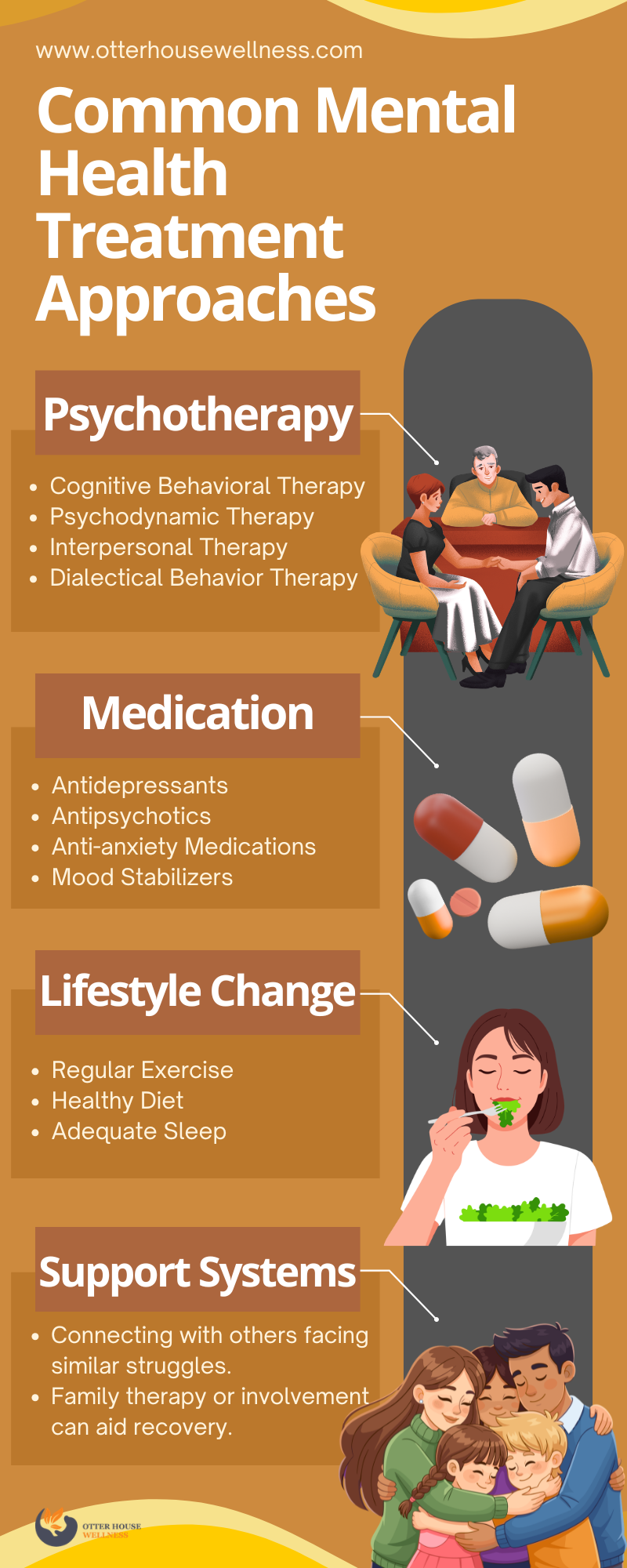
This approach leads to better, longer-lasting results. It also lowers the chance of relapse after treatment ends.
4. Flexible but Structured Scheduling
Treatment needs to fit into real life.
Some people can step away from responsibilities completely. While others need to continue working, caring for family, or managing daily responsibilities.
Programs like PHP and IOP offer different levels of flexibility while still providing structure.
However, balance is the key! Too much flexibility can lead to inconsistency, and too much structure can feel overwhelming.
The best rehab Asheville NC, offers a schedule that supports progress while still allowing space for real-life responsibilities.
5. A Comfortable, Supportive Environment
The environment of the rehab center plays a bigger role than most people expect.
You’re not just going to sessions; you’re sharing personal challenges, creating new habits, and learning to handle difficult emotions.
All this requires a space where you feel safe.
A good rehab center should feel:
- Calm and welcoming
- Respectful and non-judgmental
- Organized and supportive
You should feel comfortable asking questions and being honest. If the environment feels rushed, cold, or impersonal, it can make the process harder.
Trust your first impression. It usually tells you a lot!
6. Clear Communication About Cost and Insurance
Cost is one of the biggest concerns people have, and one of the biggest reasons they delay treatment.
The best rehab programs in Asheville, NC, are transparent about the cost from the beginning.
They should be able to:
- Help you verify insurance quickly
- Explain what’s covered
- Break down any out-of-pocket costs
- Answer questions clearly
You shouldn’t feel confused or pressured.
Most importantly, you shouldn’t have to figure out insurance on your own. Admissions teams are there to guide you through that process so you can make an informed decision without getting overwhelmed.
7. A Plan for What Happens After Treatment
Treatment is not the finish line; it’s the starting point.
What happens after your treatment ends is just as important as what happens during it.
The best rehab programs have a clear aftercare plan, which usually involves:
- Step-down programs like IOP or outpatient
- Continued individual therapy
- Relapse prevention strategies
- Ongoing support systems
Recovery is something that builds over time. Without a plan, it’s easy to lose momentum.
A good rehab center prepares you for life after treatment, not just the time inside it.
What You Can Expect at Otter House Wellness?
At Otter House Wellness, we believe that no two people need the exact same approach.
Our process begins with a clinical assessment to understand your current situation. From there, the team determines the required treatment and builds a plan that fits your needs.
Our programs are designed to balance structure and flexibility, giving you proper care while you stay connected to your daily life.
Support includes:
- Individualized treatment planning
- Structured therapy and skill-building
- Dual diagnosis treatment
- Guidance through insurance and admissions
To Wrap it Up…
You don’t have to have everything planned out before choosing a rehab.
What matters is taking the first step toward clarity.
If you’ve been searching for the best rehab Asheville NC, it already means you’re thinking about change. The next step is simply learning your options.
At Otter House Wellness, a quick conversation can help you:
- Understand what level of care you may need
- Verify insurance
- Ask questions without pressure
You just need to start the conversation.
Sometimes, it’s the hardest part, and the most important one!
Otter House Wellness
March 28, 2026
- Telehealth Therapy That Accepts Medicaid in North Carolina
 Tired of spending gas money and half a day driving to a therapist? Discover how NC Medicaid lets you see top providers from home with zero copay.
 - Group Therapy Covered by Medicaid in North Carolina
 Replaying the exact same thoughts at 2 AM with no way out? Discover how NC Medicaid fully covers the group therapy hack that breaks your mental loops.
 - Outpatient Mental Health Treatment for Medicaid Recipients in NC
 Did you know you don't need a doctor's referral to start therapy on NC Medicaid? Discover how to access fast, free mental health care from home.
 - Medicaid Mental Health Treatment for Parents and Families in NC
 You can't pour from an empty cup. Discover the "oxygen mask" rule in NC Medicaid that covers parent AND child mental health under one plan.
 - Mental Health Programs for Young Adults on Medicaid in North CarolinaDoes Rhode Island Medicaid cover treatment for addiction and depression? Find out what’s covered, from detox and residential care to PHP, IOP, therapy, and medication.
- ADHD Treatment That Accepts Medicaid in North Carolina
 Looking for ADHD treatment that accepts Medicaid in North Carolina? Learn about treatment options and how support can make daily life easier.
 - Bipolar Disorder Treatment Covered by Medicaid in NC
 Learn about bipolar disorder treatment covered by Medicaid in NC, including therapy, medication, Medicaid plans, and support options at Otter House Wellness.
Recommended Blogs


Telehealth Therapy That Accepts Medicaid in North Carolina

Group Therapy Covered by Medicaid in North Carolina