
Telehealth Therapy That Accepts Medicaid in North Carolina
In a lot of North Carolina counties, the nearest therapist isn’t a phone call away. It’s a tank of gas away. You block off half a day, factor in gas money you didn’t budget for, and hope the appointment doesn’t get pushed. For a lot of people, that math alone is the reason care never happens.
Telehealth changes what “nearest” means. And under North Carolina Medicaid, a virtual therapy session isn’t a lesser stand-in for the real thing. It’s covered the same way, paid at the same rate, and treated as the same visit.
What Counts as Telehealth Here in North Carolina
Not every video call qualifies. Coverage applies to live, two-way audio and video delivered over a secure, HIPAA-compliant platform, with both you and your provider present and interacting in real time. Yes, the same way you would in a room together. However, one-time phone check-ins or brief text conversations with your therapist are subject to different regulations and are not billed in the same manner as full sessions. If your appointment is scheduled, video-based, and with a licensed provider, you’re almost certainly in covered territory.
That standard exists for a reason. NC Medicaid requires telehealth visits to meet the same clinical standard of care as an in-person appointment, and you’re entitled to ask for an in-person session instead at any point if the virtual format isn’t working for you. If a provider genuinely can’t deliver that standard remotely or can’t accommodate your request to switch to in-person, the policy actually requires them to help you transition to someone who can. In this case, telehealth is a complete option rather than a workaround that providers are covertly using to cut costs.
Why This Matters More in North Carolina Than Most Places
North Carolina’s mental health workforce gap isn’t evenly spread. Rural counties average just 0.58 psychiatrists per 10,000 residents, compared to 1.79 in urban counties, and 97 of the state’s 100 counties are officially classified as Mental Health Professional Shortage Areas. In the most rural stretches, there may be no practicing psychiatrist at all, full stop, regardless of insurance.
East Carolina University’s Center for Telepsychiatry and e-Behavioral Health has been quietly addressing this very problem from the primary care side. The program operates through clinics in the state’s most rural counties and has screened about 44,000 kids for anxiety and depression during routine pediatric visits. They identified about 1,000 cases that would have been missed as families waited through the typical six-month gap between referral and an actual appointment.
Mental Health America ranks North Carolina 39th in the country for access to care, and roughly four million residents, about two in every five North Carolinians, live somewhere classified as a mental health professional shortage area. That’s not a small-town problem tucked away in a few far corners of the state. It’s a statewide one, which is part of why telehealth here isn’t a nice-to-have convenience feature. It’s closer to a structural fix for a gap that in-person capacity alone was never going to close on its own.
What Telehealth Therapy Can Cost in North Carolina
For most NC Medicaid members, this is short: nothing. North Carolina specifically exempts behavioral health visits, therapy, and psychiatry alike from copays, and that holds whether you’re on a Standard Plan or a Tailored Plan. There’s no separate deductible standing between you and the appointment.
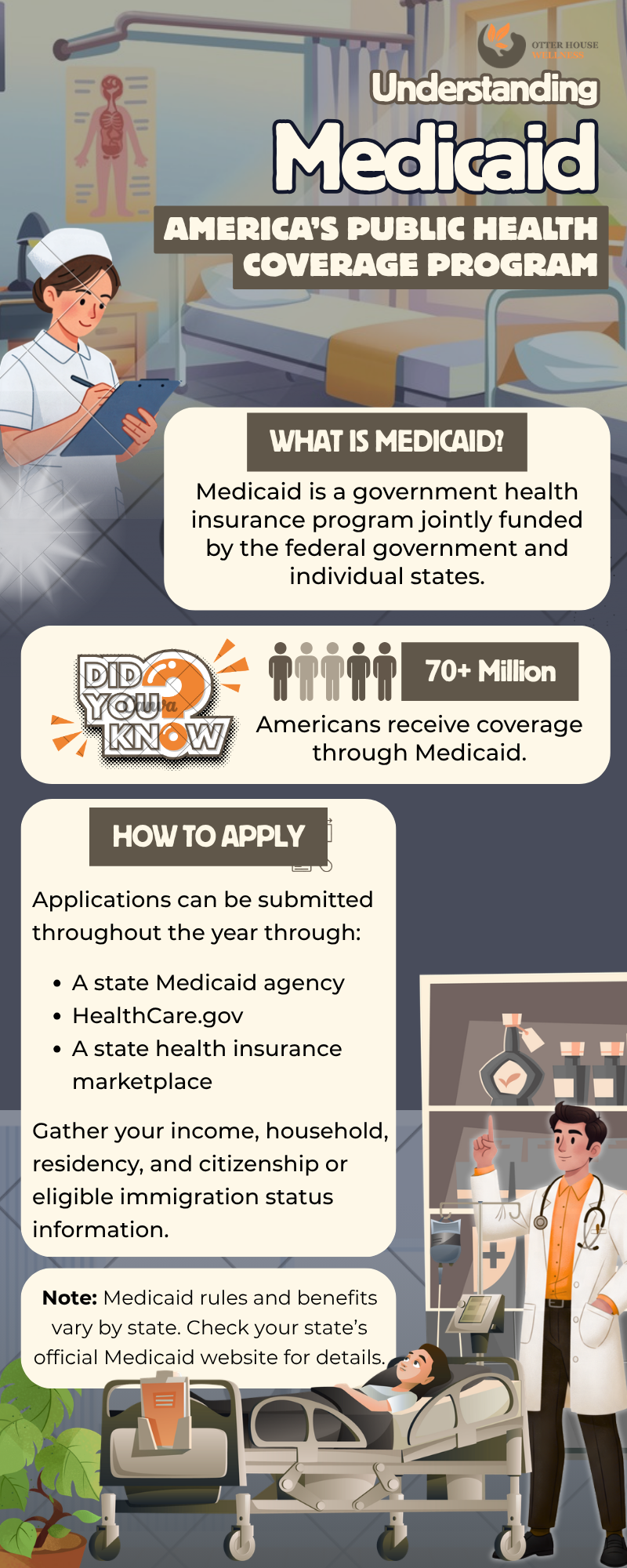
Moreover, telehealth isn’t reimbursed as some discounted virtual tier; the state pays providers the same rate for a video session as an in-person one, which is exactly why so many practices have been willing to offer it without compromising on quality.
Whom You Can Clearly Approach for Consulting
Coverage extends to licensed clinical mental health counselors, licensed clinical social workers, psychologists, and psychiatric nurse practitioners, the same range of providers you’d see walking into an office. In addition, the geography rule allows out-of-state providers to treat NC Medicaid patients via telehealth as long as they are correctly enrolled through NCTracks. Hence, your search doesn’t have to stay inside your county line or even the state line, just inside the network.
This matters most for anyone with a niche need. Someone managing a less common condition or looking for a therapist who specializes in something specific like OCD, trauma, or a particular cultural or language background might find exactly one or two matching providers in their entire region. Telehealth turns the one provider forty minutes away into the one provider anywhere in-network. That is a meaningfully bigger pool when you’re not just looking for any therapist but the right one.
The State Is Actively Building This Out
This isn’t a policy sitting still. NCDHHS’s Office of Rural Health runs a Telehealth Infrastructure Grant Program that funds rural providers directly, up to $250,000 per practice, to buy the equipment, secure connections, and network redundancy needed to run a telehealth service reliably instead of on a shaky home internet plan.
On top of that, North Carolina recently got federal approval to put $300 million toward expanding rural broadband, the kind of unglamorous infrastructure spending that decides whether a scheduled session truly holds together or drops halfway through. Both are aimed at the same target: making sure the “nearest provider” problem keeps shrinking instead of quietly staying put.
Finding a Provider
Start with your plan’s provider directory and filter for telehealth; most list it as its own option now. If you already have a primary care doctor, ask them directly; a lot of PCPs keep a running list of telehealth practices they trust for referrals. Or skip straight to a practice built around this, like Otter House Wellness, which verifies Medicaid coverage before your first session, so you’re not guessing about cost going in.
Final Words
The tank of gas doesn’t have to be the reason care waits another month. North Carolina Medicaid built the road around that problem instead of through it. All that’s left is opening the laptop.
Reach out to Otter House Wellness to get matched with a Medicaid-covered telehealth therapist who actually fits what you need.
Read Next: Group Therapy Covered By Medicaid In North Carolina
Otter House Wellness
August 28, 2026
- Telehealth Therapy That Accepts Medicaid in North Carolina
 Tired of spending gas money and half a day driving to a therapist? Discover how NC Medicaid lets you see top providers from home with zero copay.
 - Group Therapy Covered by Medicaid in North Carolina
 Replaying the exact same thoughts at 2 AM with no way out? Discover how NC Medicaid fully covers the group therapy hack that breaks your mental loops.
 - Outpatient Mental Health Treatment for Medicaid Recipients in NC
 Did you know you don't need a doctor's referral to start therapy on NC Medicaid? Discover how to access fast, free mental health care from home.
 - Medicaid Mental Health Treatment for Parents and Families in NC
 You can't pour from an empty cup. Discover the "oxygen mask" rule in NC Medicaid that covers parent AND child mental health under one plan.
 - Mental Health Programs for Young Adults on Medicaid in North CarolinaDoes Rhode Island Medicaid cover treatment for addiction and depression? Find out what’s covered, from detox and residential care to PHP, IOP, therapy, and medication.
- ADHD Treatment That Accepts Medicaid in North Carolina
 Looking for ADHD treatment that accepts Medicaid in North Carolina? Learn about treatment options and how support can make daily life easier.
 - Bipolar Disorder Treatment Covered by Medicaid in NC
 Learn about bipolar disorder treatment covered by Medicaid in NC, including therapy, medication, Medicaid plans, and support options at Otter House Wellness.
Recommended Blogs


Telehealth Therapy That Accepts Medicaid in North Carolina

Group Therapy Covered by Medicaid in North Carolina