
Mental Health Programs for Young Adults on Medicaid in North Carolina
Mental Health America’s 2026 report confirmed something a lot of young people already knew from the inside: young adults now report higher rates of mental illness than any other age group in the country. Not teenagers. Not seniors. The stretch of life everyone expects to be your most put-together years.
The same report found that roughly one in four American adults living with a mental illness has an unmet treatment need, and that gap holds even for people who technically have some form of coverage. Having insurance on paper and getting care in practice have turned out to be two very different things.
North Carolina Medicaid was built to close exactly that gap. If you’re a young adult wondering whether real mental health care is actually within reach, the honest answer is yes, more than most people your age assume.
Understanding NC Medicaid for Young Adults
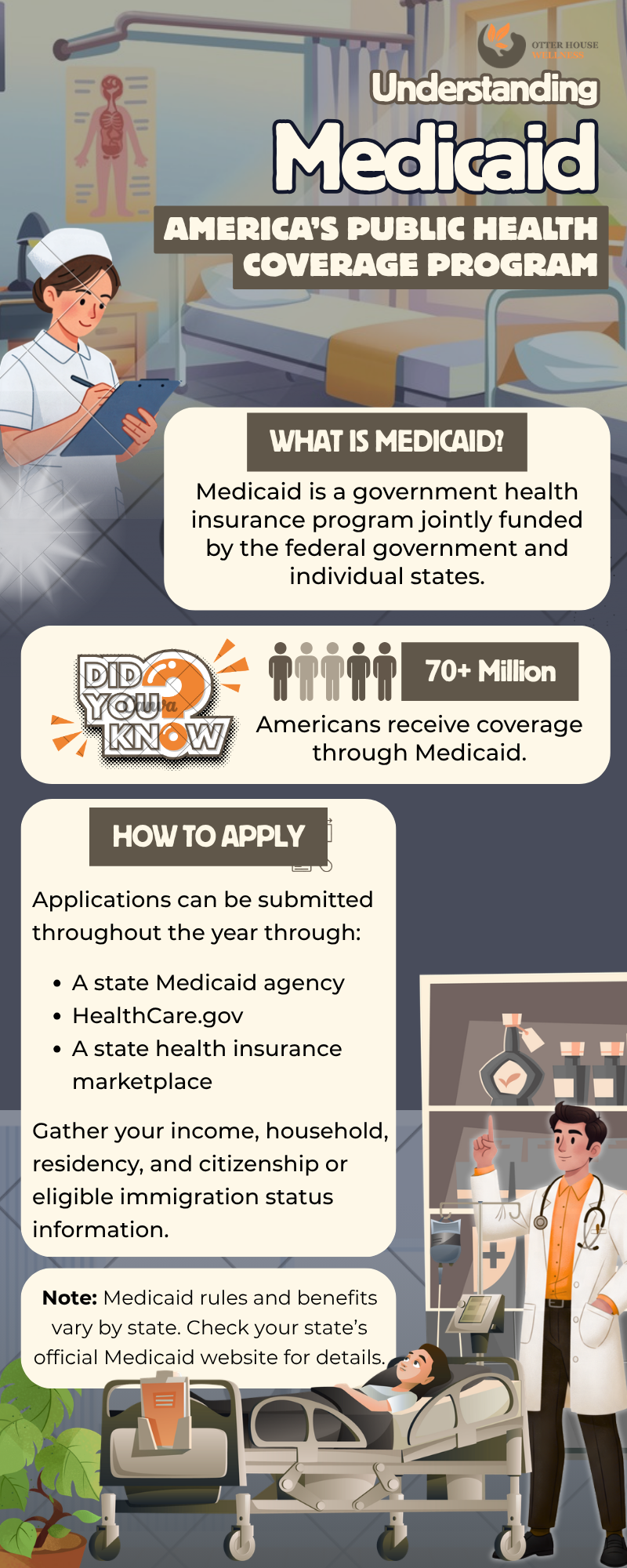
North Carolina expanded Medicaid in December 2023, and it changed the math for an entire generation. Adults ages 19 through 64 with household incomes up to 138% of the federal poverty level now qualify, which works out to roughly $21,000 a year for a single person. No asset test. No requirement that you have kids or a disability to be considered. Just income and age.
That detail matters more for young adults than almost anyone else. Ages 19 to 29 make up the single largest group enrolled in NC’s Medicaid expansion, which tells you something: this coverage gap wasn’t rare. It was the default for an entire stage of life, especially for anyone working gig jobs, freelancing, or piecing together part-time work while in school.
Coverage runs through one of two paths. Tailored Plans (Alliance Health, Partners Health Management, Trillium Health Resources, or Vaya Total Care) serve people with more significant behavioral health needs. Everyone else typically falls under NC Medicaid Direct, coordinated regionally by an LME/MCO. The one you’re in doesn’t change whether therapy or psychiatric care is covered. It mostly determines your specific provider network.
What Medicaid North Carolina Covers
Outpatient therapy is the backbone and is covered with no private-pay sticker shock. The plan also includes psychiatric assessments and ongoing medication management, so if you need to change an SSRI or get a new diagnosis properly evaluated, you don’t have to pay out of pocket to get access to that. It’s not just one condition or even two. NC Medicaid covers evaluation and treatment of depression, generalized anxiety and panic disorders, bipolar disorder, PTSD, OCD, ADHD, and eating disorders, and the less-talked-about ones like phobias and excessive anger that still disrupt someone’s ability to function day-to-day.
IOP programs are for more intensive needs and provide you with several hours of real clinical time each week, but you still don’t have to take your whole life off. NC Medicaid Direct also includes a tier of enhanced services for needs that are beyond outpatient therapy but do not require hospitalization. For example:
- Assertive Community Treatment (ACT) is a team-based approach designed for people with severe and persistent mental illness who have not responded well to traditional outpatient care.
- Community Support Team (CST) is a coordinated community-based treatment that is provided to the members where they live their lives rather than requiring an office visit each time.
- Psychosocial rehabilitation focuses on rebuilding the daily living and social skills that tend to be eroded first by mental illness.
One point to note is that the program is built for young adults, not a generic structure that is made to fit to them. EPI-NC runs six clinics throughout the state that treat first-episode psychosis in people ages 15 to 30 through a program called Encompass based at UNC. It’s not just medication management. Rather, during treatment, clients receive certified peer support and individualized employment along with education services to ensure that school or work does not fall apart. The logic is simple: catching this early, with the right support around it, changes the entire trajectory of someone’s twenties.
Crisis Support and Peer Connection
Not every hard time is a full-blown crisis, and North Carolina’s system understands that distinction. If you need to talk to someone but are not in danger, the NC Peer Warmline (1-855-PEERS-NC) connects you to a peer support specialist, a person who has experienced mental illness or substance use themselves, available 24 hours a day. If it’s more urgent, 988 gives you a licensed clinician, and if that’s what feels right, callers can ask to be routed to the Peer Warmline instead.
Mobile crisis teams are deployed statewide for situations that require an on-site presence. Each LME/MCO has a 24/7 behavioral health crisis line. None of this requires you to already have a diagnosis on file or a provider lined up. It exists for the moment you’re in, whatever that moment looks like.
Why This Stage of Life Needs Its Own Approach
Young adulthood is unstable by design. You’re changing addresses, jobs, and relationships faster than at almost any other point in life, and more than 30% of young adults in North Carolina are uninsured. That instability is exactly why waiting until things fall apart is the expensive option. Not just financially, but in relapses, missed school semesters, and jobs lost to something that could have been managed months earlier with the right support in place.
How to Find and Access Care in NC
Start with the NC Medicaid Enrollment Broker at 1-833-870-5500 if you’re not sure whether you’re already enrolled or which plan you’re under. From there, your Tailored Plan or regional LME/MCO can point you toward providers actually accepting new patients, which saves you the specific frustration of finding a great-looking provider only to hit a wall.
If a claim gets denied, that’s not the final word. Appeals exist, they succeed more often than people expect, and most provider offices will walk you through filing one.
Final Words
The data is blunt about it: young adults are carrying more of this burden than any other age group in the country. North Carolina built Medicaid coverage for exactly this stretch of life, the one where you’re figuring out rent, work, and who you’re becoming, all at once, usually without a manual. Getting real support here isn’t a fallback plan. It’s the plan.
If you’re ready to take that step, visit Otter House Wellness to check your coverage and talk through what care could look like for you.
Otter House Wellness
August 21, 2026
- Telehealth Therapy That Accepts Medicaid in North Carolina
 Tired of spending gas money and half a day driving to a therapist? Discover how NC Medicaid lets you see top providers from home with zero copay.
 - Group Therapy Covered by Medicaid in North Carolina
 Replaying the exact same thoughts at 2 AM with no way out? Discover how NC Medicaid fully covers the group therapy hack that breaks your mental loops.
 - Outpatient Mental Health Treatment for Medicaid Recipients in NC
 Did you know you don't need a doctor's referral to start therapy on NC Medicaid? Discover how to access fast, free mental health care from home.
 - Medicaid Mental Health Treatment for Parents and Families in NC
 You can't pour from an empty cup. Discover the "oxygen mask" rule in NC Medicaid that covers parent AND child mental health under one plan.
 - Mental Health Programs for Young Adults on Medicaid in North CarolinaDoes Rhode Island Medicaid cover treatment for addiction and depression? Find out what’s covered, from detox and residential care to PHP, IOP, therapy, and medication.
- ADHD Treatment That Accepts Medicaid in North Carolina
 Looking for ADHD treatment that accepts Medicaid in North Carolina? Learn about treatment options and how support can make daily life easier.
 - Bipolar Disorder Treatment Covered by Medicaid in NC
 Learn about bipolar disorder treatment covered by Medicaid in NC, including therapy, medication, Medicaid plans, and support options at Otter House Wellness.
Recommended Blogs


Telehealth Therapy That Accepts Medicaid in North Carolina

Group Therapy Covered by Medicaid in North Carolina