
Group Therapy Covered by Medicaid in North Carolina
You’ve had the argument before. In the car, in the shower, at 2 a.m., staring at a ceiling that has nothing new to say either. Same script, same ending, no new voice to interrupt it. That’s what a mind left alone with a problem tends to do. It loops.
Group therapy is what happens when someone else finally gets a word in. And under North Carolina Medicaid, that’s not the version of care you settle for when the real thing costs too much. It’s a fully covered part of the plan, sitting right alongside individual therapy, not behind it.
This matters more than usual right now. Rising ACA premiums and steep deductibles have been pushing North Carolinians out of therapy altogether this year, with some patients staring down deductibles north of $3,000 before their insurance even starts paying. In Durham, licensed clinical social worker Bobby Newell told Spectrum News his practice, Mindful Collaboration, has been opening more sliding-scale spots and expanding group therapy options specifically because they’re what keeps people from walking away entirely once the bill arrives. That’s the workaround private-pay clients are improvising, county by county, clinic by clinic. Medicaid built it in from the start, no improvising required.
What a Group Therapy Session Looks Like
Group sessions run 45 to 60 minutes, led by one licensed clinician, usually somewhere between five and ten people, small enough that you’re not just a face in a crowd but not so small that it’s just you and the clinician with extra steps.
Some groups are process-based, meaning you’re working through whatever is actually live for you that week; the agenda is whatever the room brings in. Others are psychoeducational, teaching a specific skill set like DBT distress tolerance, relapse prevention planning, or anger regulation, structured more like a class that happens to also be therapy. Others are more along the lines of peer support, where the clinician is less of a director and more of a facilitator.
There are a few closed groups, meaning the same people come week after week and the group doesn’t take new members mid-cycle. That builds a kind of trust that’s hard to fake. Others are open and rolling, so you can jump in whenever you’re ready without waiting for a new cohort to start. Your purpose will determine which format you end up in, and a reputable provider will let you know that before you even enter.
Why North Carolina Medicaid Covers It
North Carolina has a workforce problem that group therapy happens to be well-suited to soften. Roughly 40% of the US population lives in an area with a shortage of mental health professionals. Therefore, one clinician, one hour, and five to ten people get more care than the same hour spent one-on-one. That’s not Medicaid cutting corners. It’s Medicaid using a format built for exactly this kind of gap.
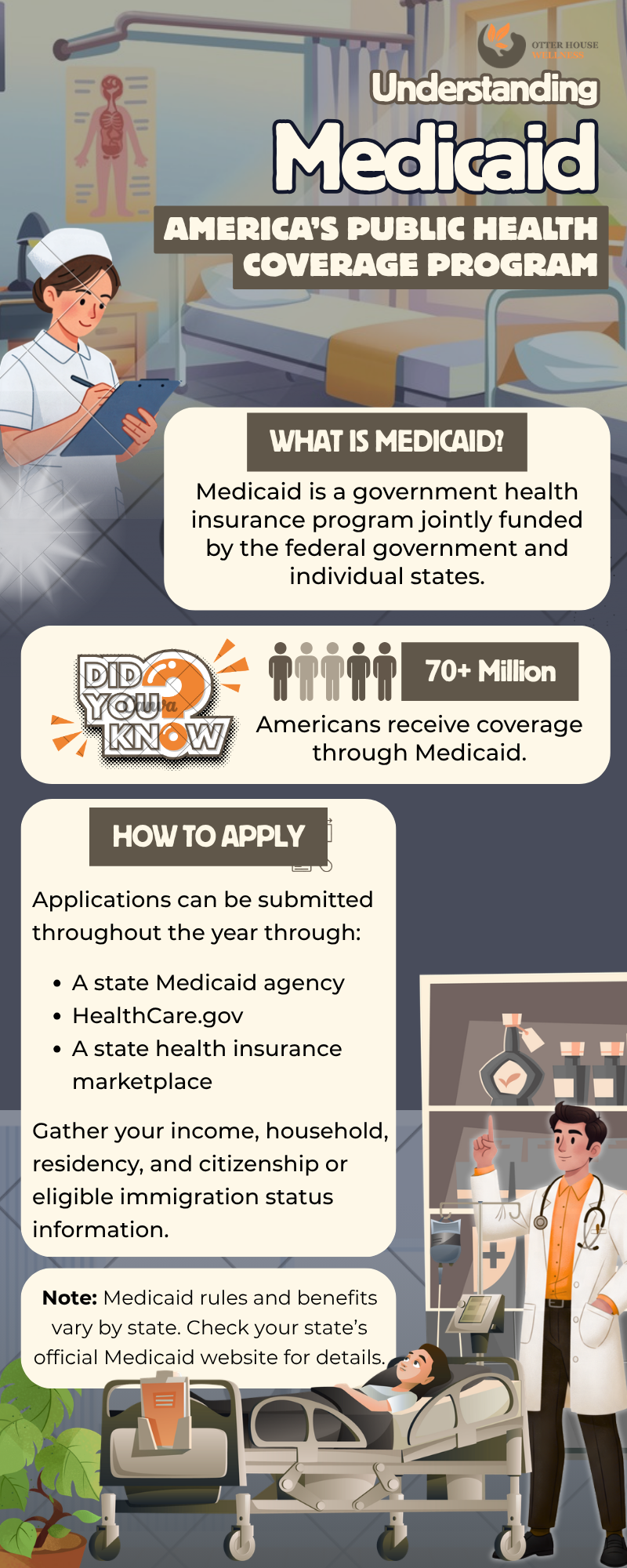
In addition, coverage runs through every NC Medicaid Standard Plan and LME-MCO, delivered by licensed clinical mental health counselors, licensed clinical social workers, and psychologists. You don’t need a referral from anyone to start. You can self-refer the same way you would for individual therapy.
It Depends on Which Plan You’re In
Not everyone on NC Medicaid is routed through the same door, and it’s worth knowing which one you’re behind. Most members are on a Standard Plan, run by insurers like Aetna, AmeriHealth Caritas, Blue Cross NC, or United, and beginning this April, WellCare of NC and Carolina Complete Health merged into a single statewide plan, so if you had either of those and got a letter about it, that’s why.
If you’re managing a more serious or long-standing condition, like a severe substance use disorder or a serious mental illness, you’re more likely on what the state calls a Tailored Plan instead, one of four run by Alliance Health, Partners Health Management, Trillium Health Resources, or Vaya Total Care, and which one covers you is decided by your county, not by choice.
What Is Billed For NC Group Therapy?
Group therapy is billed under its own procedure code, separate from individual sessions, which is why your Explanation of Benefits might list it differently even if it happened at the same clinic on the same day. It’s not a lesser or bundled version of therapy. It’s its own covered service, tracked and paid as such, which is part of why it holds up as a real clinical option instead of a filler activity between “real” appointments.
The Fine Print on Visit Limits
Most outpatient behavioral health visits, group included, don’t need prior approval until you hit 26 unmanaged visits in a calendar year. After that, your provider handles the paperwork to request more; it’s not something you have to manage yourself. In fact, the paperwork burden has actually been shrinking. As of the start of 2025, NC Medicaid removed prior authorization requirements from more than 240 procedure codes across the board. This is the part of a broader push to cut the administrative friction between a patient and the care they’re already entitled to.
Furthermore, telehealth group sessions are covered at the same level as in-person ones, which matters if transportation or scheduling has been the thing standing between you and consistent care. It matters even more in the rural counties where the nearest in-person group might be an hour’s drive away.
Who Tends to Find This Useful
Grief groups. Substance use recovery groups. DBT skills groups for people whose emotions have started to feel unmanageable in the moment. Process groups for anxiety and depression, where the format itself becomes part of the treatment. Almost everyone who ends up in one arrives with some version of the same quiet assumption: that what they’re dealing with is unusually theirs. That assumption tends not to survive contact with a room full of people who know exactly what you mean without you having to over-explain it.
Recovery groups specifically have real momentum behind them right now. North Carolina saw a 34% drop in overdose deaths this past year, its first decline since 2019, and Governor Stein has pointed directly to expanded access to treatment and recovery support as part of why. That’s not an abstract policy win. That’s a room full of Certified Peer Recovery Specialists and group facilitators doing work that’s showing up in the state’s own mortality numbers, which is about as concrete as “this helps” gets.
Final Words
The loop doesn’t stop because you tried harder to argue yourself out of it. It stops when another voice gets into the room. North Carolina Medicaid covers that room. All you have to do is show up to it.
Reach out to Otter House Wellness to find a Medicaid-covered group therapy option that fits what you’re actually going through.
Otter House Wellness
August 28, 2026
- Telehealth Therapy That Accepts Medicaid in North Carolina
 Tired of spending gas money and half a day driving to a therapist? Discover how NC Medicaid lets you see top providers from home with zero copay.
 - Group Therapy Covered by Medicaid in North Carolina
 Replaying the exact same thoughts at 2 AM with no way out? Discover how NC Medicaid fully covers the group therapy hack that breaks your mental loops.
 - Outpatient Mental Health Treatment for Medicaid Recipients in NC
 Did you know you don't need a doctor's referral to start therapy on NC Medicaid? Discover how to access fast, free mental health care from home.
 - Medicaid Mental Health Treatment for Parents and Families in NC
 You can't pour from an empty cup. Discover the "oxygen mask" rule in NC Medicaid that covers parent AND child mental health under one plan.
 - Mental Health Programs for Young Adults on Medicaid in North CarolinaDoes Rhode Island Medicaid cover treatment for addiction and depression? Find out what’s covered, from detox and residential care to PHP, IOP, therapy, and medication.
- ADHD Treatment That Accepts Medicaid in North Carolina
 Looking for ADHD treatment that accepts Medicaid in North Carolina? Learn about treatment options and how support can make daily life easier.
 - Bipolar Disorder Treatment Covered by Medicaid in NC
 Learn about bipolar disorder treatment covered by Medicaid in NC, including therapy, medication, Medicaid plans, and support options at Otter House Wellness.
Recommended Blogs


Telehealth Therapy That Accepts Medicaid in North Carolina

Group Therapy Covered by Medicaid in North Carolina