
Depression Treatment Covered by Medicaid in North Carolina: What to Know
Living with depression can make even the simplest daily tasks feel like climbing a steep mountain. On top of these feelings, figuring out how to pay for care or deal with insurance can be really stressful.
If you or a loved one are struggling, here is the good news: In North Carolina, Medicaid offers complete coverage for behavioral and mental health services. This means that money won’t be a barrier to your recovery!
Accessing these services should be easy and shouldn’t require a medical degree or hours of reading complicated documents. Here is a clear, step-by-step breakdown of how depression treatment covered by Medicaid in North Carolina works, what services you can receive, and how to get started today.
Understanding Depression in North Carolina
If you are suffering from depression, it is important to know that you are far from alone. Depression is one of the most common health conditions across the state and the country, affecting people of all ages, backgrounds, and walks of life.
According to data from America’s Health Rankings, 22.5% of adults in North Carolina have been diagnosed with a depressive disorder. However, many people with depression do not get the help they need. This often happens because they don’t know where to go for care or they worry about how much it will cost them.
Depression is more than just feeling sad for a short time. It’s a real medical issue that affects how you feel, your energy, your sleep, your thoughts, and even your physical health. The good news is that depression is treatable!
With the right therapy, support, and care from professionals, you can feel better.
Is Depression Treatment Covered by Medicaid in North Carolina?
Yes, absolutely! North Carolina Medicaid considers mental health care an important part of health coverage. Whether you have standard NC Medicaid or receive care through a Tailored Plan or Local Management Entity (LME/MCO), your plan includes many services to help treat depression.
NC Medicaid provides mental health coverage to help residents get the care they need without worrying about high costs. Depending on your plan and needs, many services have little to no copays or out-of-pocket expenses.
What Types of Depression Treatment Are Covered?
Depression is different for everyone, so treatment should fit your specific needs. If you are in North Carolina and have Medicaid, you can access different levels of care for depression treatment that meet you where you are.
1. Outpatient Individual and Group Therapy
Talk therapy is a key way to treat depression. Medicaid pays for sessions with licensed therapists, counselors, and clinical social workers.
- Individual Therapy: Provides a private and supportive space where you can talk about your feelings, understand the root causes of your struggles, learn practical ways to cope, and work through difficult emotions.
- Group Therapy: This connects you with others who have similar challenges. It helps reduce feelings of isolation and creates a supportive community.
2. Psychiatric Evaluations and Medication Management
For many people, combining therapy with medication works best. Medicaid covers:
- Psychiatric assessments to help diagnose your condition accurately.
- Appointments with psychiatrists or psychiatric nurse practitioners.
- Medications to help manage your depression symptoms.
3. Intensive Outpatient Programs (IOP)
If weekly therapy isn’t enough help, but you don’t need full-time hospital care, an Intensive Outpatient Program (IOP) can be a good option. IOPs usually take place several times a week for a few hours each session. They provide structured group therapy, skill-building, and ongoing support while you continue to live at home.
4. Crisis Intervention and Support
If you are in a serious mental health crisis, NC Medicaid can help. They cover emergency services to stabilize your situation and guide you toward long-term support.
How to Access Medicaid-Covered Depression Treatment?
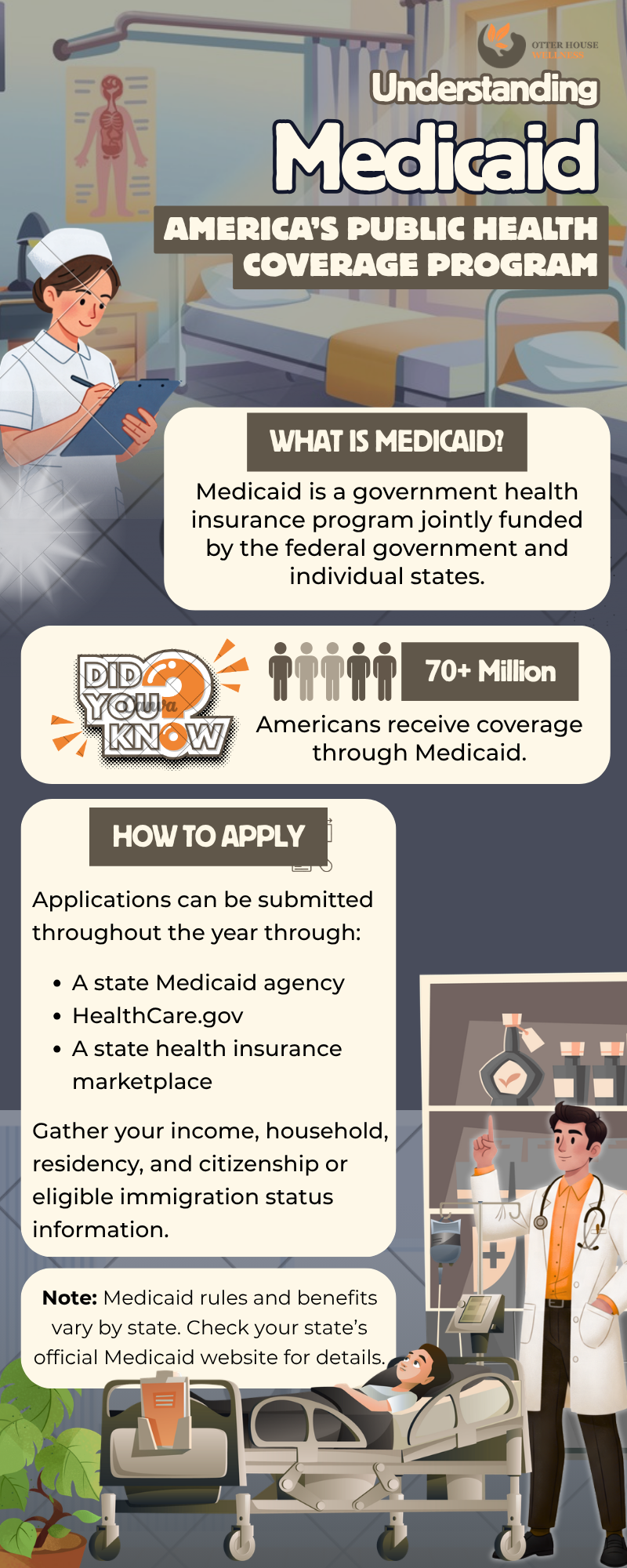
Starting your recovery journey shouldn’t feel complicated. Here are simple steps you can take to use your coverage and find the right care:
Step 1: Confirm Your Medicaid Coverage
Check that your NC Medicaid policy is active. If you’re unsure about your status or plan details, log into your ePASS portal or contact your local Department of Social Services (DSS).
Step 2: Find a Provider Who Accepts NC Medicaid
Not every clinic or private practice takes Medicaid. It’s important to find mental health centers that work with Medicaid. You can look for provider directories or contact treatment centers in your area directly.
Step 3: Schedule an Initial Assessment
Your first appointment will usually be an intake evaluation. During this visit, a therapist will sit down with you, ask gentle questions about what you’ve been experiencing, and discuss your goals for treatment.
Step 4: Create a Personalized Care Plan
Based on your evaluation, your care team will recommend a tailored plan, whether that involves individual therapy, medication management, or a structured outpatient program.
Overcoming Common Barriers to Care
It’s completely normal to feel unsure about asking for help. Many people hold back because they worry about being judged, feel embarrassed, or don’t understand insurance rules.
Here are a few gentle reminders as you take your next steps:
- Seeking Help is a Sign of Strength: Reaching out for professional care takes courage and is a powerful step toward taking charge of your life.
- Your Care is Private: Mental health treatment is protected by strict privacy laws (HIPAA). What you share with your treatment team remains confidential.
- You Don’t Have to Figure It Out Alone: Good treatment providers have team members who can help verify your Medicaid benefits and walk you through every step of enrollment.
Finding Hope and Healing at Otterhouse Wellness
Finding the right depression treatment covered by Medicaid in North Carolina shouldn’t feel like another thing you have to figure out on your own.
At Otterhouse Wellness, we meet you where you are and create a treatment plan around your needs, goals, and circumstances. If you’re covered by NC Medicaid, our team can help you understand your options, verify your insurance, and explore available treatment.
From therapy and group support to structured outpatient care, we’re here to help you find a path forward that feels right for you.
Reach out today to get started!
Otter House Wellness
August 15, 2026
- Telehealth Therapy That Accepts Medicaid in North Carolina
 Tired of spending gas money and half a day driving to a therapist? Discover how NC Medicaid lets you see top providers from home with zero copay.
 - Group Therapy Covered by Medicaid in North Carolina
 Replaying the exact same thoughts at 2 AM with no way out? Discover how NC Medicaid fully covers the group therapy hack that breaks your mental loops.
 - Outpatient Mental Health Treatment for Medicaid Recipients in NC
 Did you know you don't need a doctor's referral to start therapy on NC Medicaid? Discover how to access fast, free mental health care from home.
 - Medicaid Mental Health Treatment for Parents and Families in NC
 You can't pour from an empty cup. Discover the "oxygen mask" rule in NC Medicaid that covers parent AND child mental health under one plan.
 - Mental Health Programs for Young Adults on Medicaid in North CarolinaDoes Rhode Island Medicaid cover treatment for addiction and depression? Find out what’s covered, from detox and residential care to PHP, IOP, therapy, and medication.
- ADHD Treatment That Accepts Medicaid in North Carolina
 Looking for ADHD treatment that accepts Medicaid in North Carolina? Learn about treatment options and how support can make daily life easier.
 - Bipolar Disorder Treatment Covered by Medicaid in NC
 Learn about bipolar disorder treatment covered by Medicaid in NC, including therapy, medication, Medicaid plans, and support options at Otter House Wellness.
Recommended Blogs


Telehealth Therapy That Accepts Medicaid in North Carolina

Group Therapy Covered by Medicaid in North Carolina