
Outpatient Therapy Covered by Medicaid in North Carolina
North Carolina is home to over 10.7 million individuals belonging to a variety of economic classes, such as lower-income, middle-income, and upper-income. The sad fact is that when it comes to mental healthcare, a huge disparity is seen among accessibility and affordability for the working class.
Over 1.5 million adults in North Carolina battle with a mental health condition on a regular basis. Yet, the inability to access or afford consistent therapy leaves them vulnerable to worsening mental health conditions.
Otter Wellness House doesn’t accept this reality because we believe mental health services are essential and should be accessible for the well-being of everyone. This is why we advocate for Medicaid and Medicare. Not only do we accept Medicaid, but also provide support for Outpatient Therapy.
In today’s article, let’s discuss the importance of Medicaid coverage for the future of mental healthcare:
The Harsh Reality of Ongoing Care for Mental Health Outpatient Therapy
The behavioral health industry often treats recovery like a short-term project. Clients are highly supported during acute crises, but they are frequently left to fend for themselves once the immediate danger has passed. True psychological health requires a much longer runway.
The Danger of the Drop-Off
Leaving a highly structured residential program or an Intensive Outpatient Program without a solid therapeutic anchor creates an immense risk for relapse. We call this the clinical drop-off. Inside an intensive program, your nervous system is completely insulated from the chaotic demands of the outside world. You have daily clinical support, medical oversight, and a community of peers constantly surrounding you.
When you suddenly transition back to your normal life without ongoing outpatient therapy, the shock to your system is profound. You are immediately hit with financial stressors, relationship conflicts, and workplace demands. Without a weekly clinical touchpoint to process these stressors, your brain quickly becomes overwhelmed. Old, destructive coping mechanisms begin to look incredibly appealing because you lack the scaffolding required to stay upright. Consistent outpatient therapy serves as the vital safety net that catches you before you hit the ground.
Maintenance vs. Crisis
We work diligently to shift the cultural narrative surrounding therapy. In many communities, counseling is viewed entirely as an emergency room. You only go when you are completely broken. We train our clients to view outpatient therapy as a tool for optimizing daily life and managing stress early.
Therapy should be treated like preventative medicine. You do not wait until your engine completely seizes to change the oil in your car. Similarly, you should not wait for a massive panic attack or a severe depressive episode to speak with a clinician. Regular outpatient care allows us to identify small behavioral shifts and minor cognitive distortions before they snowball into a catastrophic crisis. By maintaining your psychological foundation weekly, you protect your long-term physical and mental health.
The Accessibility Gap
The most frustrating aspect of ongoing care is the massive accessibility gap in the modern healthcare system. We deeply validate the exhaustion our clients feel when trying to find specialized care in network with state-funded insurance.
The sad reality is that premium trauma specialists and highly credentialed clinicians frequently operate strictly on a private pay basis. When individuals utilizing Medicaid search for ongoing outpatient therapy, they are usually forced into massive, overcrowded public clinics. These community centers do incredible work, but they are severely underfunded. Patients are often limited to brief, generic counseling sessions once a month. Otter House completely shatters this barrier. We bridge the accessibility gap by bringing elite, private sanctuary-level care directly to the Medicaid population.
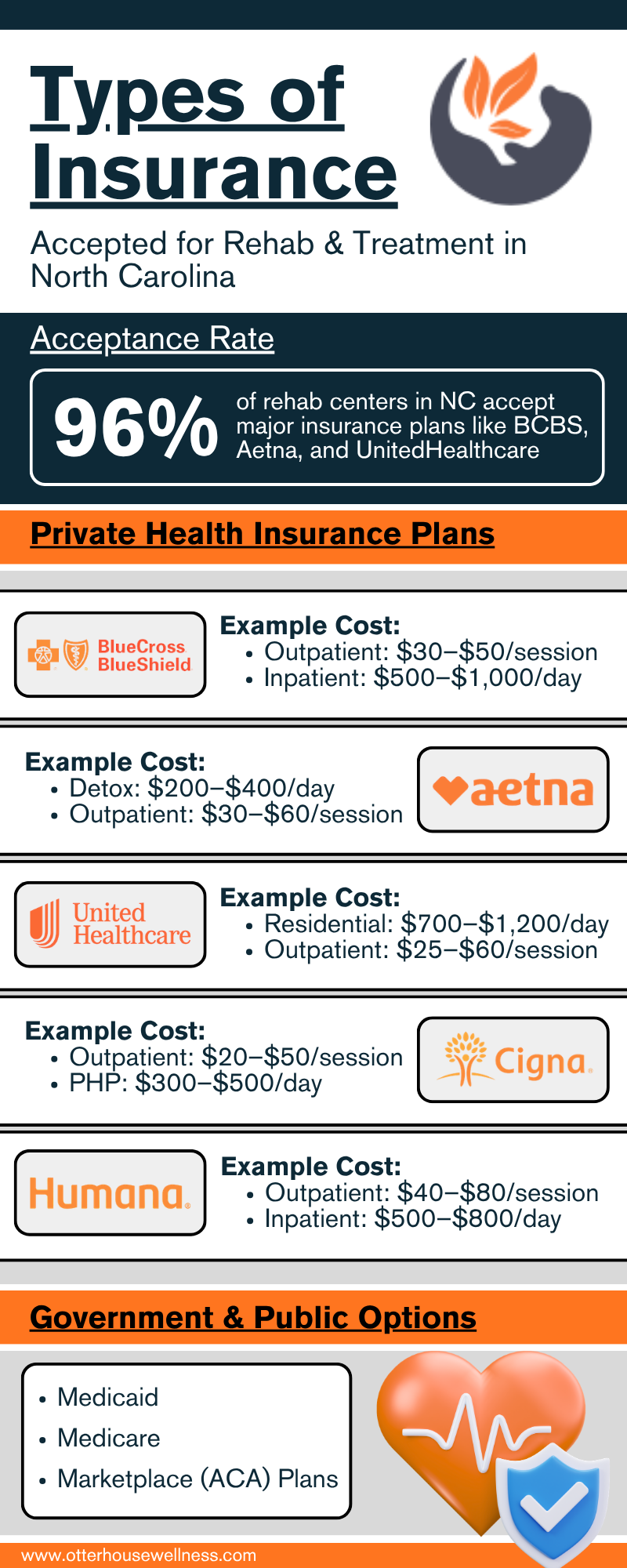
Outpatient Therapy at Otter Wellness House
Outpatient therapy at Otter House is not a passive experience. It is a highly active, skill-building environment designed to continuously upgrade your internal operating system.
Continuing the Deep Work
Just because you have stepped down to a lower level of care does not mean the clinical work stops. We continue to utilize the most advanced modalities available in behavioral science at a sustainable, weekly pace.
We utilize Dialectical Behavior Therapy (DBT) to reinforce your emotional regulation. We help you refine the distress tolerance skills you learned in early recovery, ensuring that your cognitive tools remain razor sharp.
Real-World Application
You might face a hostile interaction with a coworker on Tuesday. Instead of letting that anxiety fester and compound, you bring that exact interaction into your therapy session on Thursday.
We dissect the conversation, evaluate your emotional response, and refine your boundaries. This immediate, real-world application proves that your recovery tools actually work outside the clinic walls. It builds profound confidence in your ability to navigate the world safely.
Regulating the Nervous System
Anxiety and depression are not just mental states; they are physiological events. We focus heavily on teaching clients to physically ground themselves during the demanding workweek.
We provide advanced somatic training. You will learn specific breathwork protocols that directly stimulate the vagus nerve, which acts as the manual brake for your fight or flight response. We teach you how to recognize physical tension in your jaw or shoulders and consciously release it, allowing you to regulate your nervous system discreetly while sitting at your desk or navigating traffic.
Paving Your Way To A Healthy, Happy Life
You do not have to navigate the complexities of long-term recovery on your own. Consistent, specialized support is the key to maintaining your progress and building a life you truly love. Our dedicated team is here to manage all Medicaid authorizations seamlessly so you never have to fight with your insurance company to get the care you deserve.
Whether you are stepping down from a residential program or starting fresh, we ensure a smooth, dignified intake process. We remove the red tape so you can focus entirely on your healing.
Reach out to our compassionate Asheville team today to secure your outpatient schedule. Visit Otter House Wellness or call (828) 373-2156 to anchor your recovery.
Otter House Wellness
May 19, 2026
- Telehealth Therapy That Accepts Medicaid in North Carolina
 Tired of spending gas money and half a day driving to a therapist? Discover how NC Medicaid lets you see top providers from home with zero copay.
 - Group Therapy Covered by Medicaid in North Carolina
 Replaying the exact same thoughts at 2 AM with no way out? Discover how NC Medicaid fully covers the group therapy hack that breaks your mental loops.
 - Outpatient Mental Health Treatment for Medicaid Recipients in NC
 Did you know you don't need a doctor's referral to start therapy on NC Medicaid? Discover how to access fast, free mental health care from home.
 - Medicaid Mental Health Treatment for Parents and Families in NC
 You can't pour from an empty cup. Discover the "oxygen mask" rule in NC Medicaid that covers parent AND child mental health under one plan.
 - Mental Health Programs for Young Adults on Medicaid in North CarolinaDoes Rhode Island Medicaid cover treatment for addiction and depression? Find out what’s covered, from detox and residential care to PHP, IOP, therapy, and medication.
- ADHD Treatment That Accepts Medicaid in North Carolina
 Looking for ADHD treatment that accepts Medicaid in North Carolina? Learn about treatment options and how support can make daily life easier.
 - Bipolar Disorder Treatment Covered by Medicaid in NC
 Learn about bipolar disorder treatment covered by Medicaid in NC, including therapy, medication, Medicaid plans, and support options at Otter House Wellness.
Recommended Blogs


Telehealth Therapy That Accepts Medicaid in North Carolina

Group Therapy Covered by Medicaid in North Carolina