
PTSD And Trauma Therapy Covered by Medicaid in North Carolina: Signs and Treatment
A traumatic experience can end in a moment, but the effects don’t always end with it. Months or even years later, someone may still get nightmares, unwanted memories, anxiety, or a constant feeling that something bad is about to happen.
For some people, these reactions eventually fade. For others, they continue and start affecting their sleep, relationships, work, or everyday life. When that happens, it is time to stop trying to move on and consider professional support.
If you’re looking for PTSD and trauma therapy covered by Medicaid in North Carolina, it’s important to know that it covers several outpatient behavioral health services. Coverage can vary depending on your plan and individual needs. So, the first step is to understand your symptoms and treatment options.
And we are here to guide you!
Is Every Trauma Response PTSD?
Going through a traumatic event doesn’t automatically mean someone has PTSD. It’s normal to experience fear, sadness, confusion, anger, or anxiety after something frightening happens.
However, if these feelings start getting in the way of everyday life, it may be a good time to go for PTSD and trauma therapy.
A therapist will look at your symptoms, how long they’ve lasted, and how they affect your daily life before making a diagnosis.
Common Signs of PTSD
PTSD can look different from person to person. Some people experience obvious symptoms, while others may simply feel that they haven’t felt like themselves since the traumatic event.
Common symptoms can include:
Intrusive Memories
Unwanted thoughts or memories of the traumatic event may come up unexpectedly.
Flashbacks
You may feel as though you’re experiencing parts of the event again.
Nightmares
Disturbing dreams can make it difficult to sleep or leave you feeling anxious when you wake up.
Avoidance
You may avoid people, places, conversations, or activities that remind you of the trauma.
Feeling Constantly on Guard
You may startle easily or feel like you always need to watch for danger.
Mood Changes
You may also notice stronger feelings of anxiety, anger, guilt, shame, sadness, or emotional numbness.
Sleep and Concentration Problems
It may become harder to fall asleep, stay asleep, or focus during the day.
If these symptoms are affecting your daily life, talking to a mental health professional can help you understand what you’re going through and find the right support.
How Is PTSD Diagnosed?
PTSD isn’t diagnosed based on one symptom. A qualified therapist will usually ask about the traumatic experience, the symptoms you are having, how long you’ve been experiencing them, and how they’re affecting different areas of your life.
They may also look for other mental health concerns that could be happening at the same time.
This matters because PTSD can occur alongside anxiety, depression, substance use, and other conditions. Understanding the full picture can help them create a treatment plan that addresses your actual needs rather than focusing on just one symptom.
What Does PTSD Treatment Look Like?
PTSD treatment isn’t about pretending the trauma never happened. Instead, treatment can help you process what happened, understand your reactions, and develop healthier ways to manage the memories and emotions connected to it.
The National Center for PTSD lists Cognitive Processing Therapy (CPT), Prolonged Exposure (PE), and Eye Movement Desensitization and Reprocessing (EMDR) as three of the most well-supported therapies for treating PTSD.
Cognitive Processing Therapy (CPT)
CPT helps you understand how trauma has affected the way you think and feel. With the help of a therapist, you can work through negative thoughts and develop healthier ways to cope with what happened.
Prolonged Exposure Therapy (PE)
Prolonged Exposure (PE) helps you slowly face memories, feelings, or safe situations you’ve been avoiding because of the trauma. A trained therapist guides you through the process at a pace that feels manageable for you.
Eye Movement Desensitization and Reprocessing (EMDR)
Eye Movement Desensitization and Reprocessing, or EMDR, is a type of trauma therapy that helps you process difficult memories. During treatment, a trained therapist guides you through the memory while using prompts such as eye movements or sounds.
These treatments aren’t the standard. Your provider can help you choose an approach based on your symptoms, needs, and treatment goals.
Is PTSD and Trauma Therapy Covered by Medicaid in North Carolina?
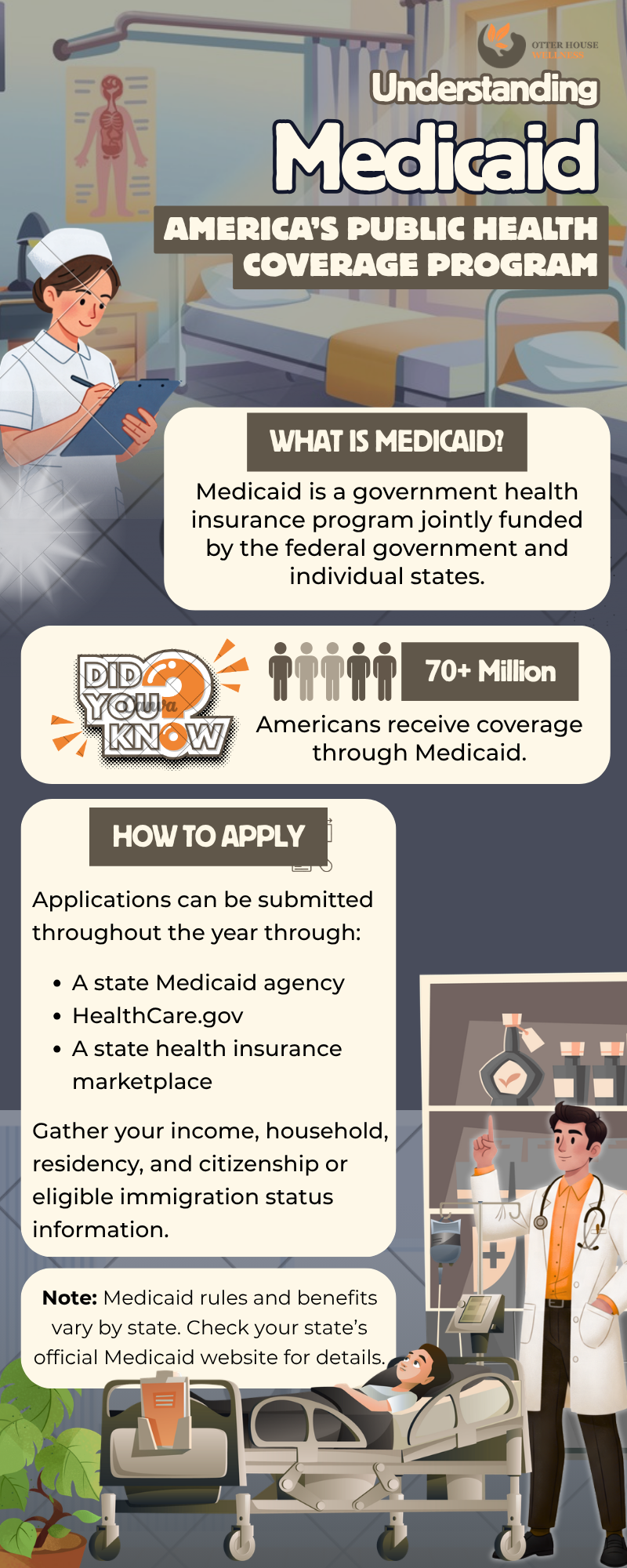
NC Medicaid covers a wide range of outpatient behavioral health services that may be used as part of mental health treatment. These include individual and group therapy, family therapy, behavioral health counseling, medication management, assessments, and psychological testing.
However, having Medicaid doesn’t mean every service or provider will be covered in the same way. Coverage can depend on your specific Medicaid plan, eligibility, provider network, and the type of treatment you need. That’s why it’s important to check your benefits and make sure the provider accepts your plan before starting treatment.
Your Medicaid Plan Matters
Most NC Medicaid beneficiaries receive their services through a Medicaid health plan.
- Standard Plans provide basic behavioral health services.
- Behavioral Health and I/DD Tailored Plans are designed for people with more complex needs, including serious mental illness and severe substance use disorders.
Before starting treatment, check that the provider accepts your specific Medicaid plan and ask which services are covered.
Finding Your Way Forward After Trauma
Trauma can change the way you see yourself, your relationships, and the world around you, but it doesn’t have to define what comes next!
At Otter House Wellness, we help people work through PTSD and related concerns such as anxiety, depression, and substance use with treatment that fits their individual needs. Treatment can include several different therapies, depending on the severity of your symptoms.
If you have NC Medicaid, our team can also help you with insurance verification and available treatment options.
Is trauma still affecting your everyday life? Is it making your relationships feel constrained or limiting your ability to enjoy life? Then contact us and let us help you turn over a new leaf in recovery!
Otter House Wellness
August 17, 2026
- Telehealth Therapy That Accepts Medicaid in North Carolina
 Tired of spending gas money and half a day driving to a therapist? Discover how NC Medicaid lets you see top providers from home with zero copay.
 - Group Therapy Covered by Medicaid in North Carolina
 Replaying the exact same thoughts at 2 AM with no way out? Discover how NC Medicaid fully covers the group therapy hack that breaks your mental loops.
 - Outpatient Mental Health Treatment for Medicaid Recipients in NC
 Did you know you don't need a doctor's referral to start therapy on NC Medicaid? Discover how to access fast, free mental health care from home.
 - Medicaid Mental Health Treatment for Parents and Families in NC
 You can't pour from an empty cup. Discover the "oxygen mask" rule in NC Medicaid that covers parent AND child mental health under one plan.
 - Mental Health Programs for Young Adults on Medicaid in North CarolinaDoes Rhode Island Medicaid cover treatment for addiction and depression? Find out what’s covered, from detox and residential care to PHP, IOP, therapy, and medication.
- ADHD Treatment That Accepts Medicaid in North Carolina
 Looking for ADHD treatment that accepts Medicaid in North Carolina? Learn about treatment options and how support can make daily life easier.
 - Bipolar Disorder Treatment Covered by Medicaid in NC
 Learn about bipolar disorder treatment covered by Medicaid in NC, including therapy, medication, Medicaid plans, and support options at Otter House Wellness.
Recommended Blogs


Telehealth Therapy That Accepts Medicaid in North Carolina

Group Therapy Covered by Medicaid in North Carolina