
Bipolar Disorder Treatment Covered by Medicaid in NC: 7 Things You Should Know
Bipolar disorder is often seen as simply having mood swings, but it’s more than that. It can cause major changes in mood, energy, sleep, focus, and behavior. These changes can sometimes make work, relationships, and everyday life harder to manage.
According to the National Institute of Mental Health (NIMH), an estimated 2.8% of U.S. adults experienced bipolar disorder in the past year. The NIMH also says that bipolar disorder often requires ongoing treatment. With the right treatment plan, people can manage their symptoms and enjoy a better quality of life.
If you’re looking for bipolar disorder treatment covered by Medicaid in NC, understanding how treatment works and what your coverage may include can make the process easier.
Here are 7 things worth knowing.
1. Bipolar Disorder Isn’t Just Mood Swings
Everyone has changes in their mood from time to time. With bipolar disorder, these changes can be more intense and affect your energy, sleep, focus, behavior, and daily activities.
During a manic episode, someone may feel unusually energetic, irritable, or overly confident. They may need much less sleep, talk faster than usual, take risks, or feel like their thoughts are racing.
Hypomania can cause similar changes, but the symptoms are usually less severe than mania.
During a depressive episode, a person may feel very sad, hopeless, tired, or lose interest in things they normally enjoy. They may also have trouble concentrating, working, or keeping up with everyday responsibilities.
Bipolar disorder can look different for everyone, so a proper evaluation is important to understand what’s really going on.
2. Treatment Isn’t Only for When Things Get Bad
It’s easy to think you only need treatment when your symptoms get worse. However, with bipolar disorder, ongoing care can be helpful even when you’re feeling well.
Treatment can help manage current symptoms and lower the risk of future episodes. Bipolar disorder often requires long-term treatment, but consistent care can help people manage symptoms and maintain a healthier life.
Regular check-ins with your treatment team can also help you spot changes early. A noticeable change in your sleep, energy, mood, or behavior is important to discuss before it becomes a bigger concern.
Maintaining structured, productive daily habits during stable periods is essential for long-term symptom management. Engaging in physical property care projects helps establish a satisfying routine and provides a healthy, non-chemical boost to your sense of accomplishment. To understand the neurobiology behind why deep physical cleaning projects feel so mentally restorative, check out The Ultimate Guide to Therapeutic Cleaning: Why Pressure Washing Is Great for Mind and Body.
2. Treatment Isn’t Only for When Things Get Bad
It’s easy to think you only need treatment when your symptoms get worse. However, with bipolar disorder, ongoing care can be helpful even when you’re feeling well.
Treatment can help manage current symptoms and lower the risk of future episodes. Bipolar disorder often requires long-term treatment, but consistent care can help people manage symptoms and maintain a healthier life.
Regular check-ins with your treatment team can also help you spot changes early. A noticeable change in your sleep, energy, mood, or behavior is important to discuss before it becomes a bigger concern.
Maintaining structured, productive daily habits during stable periods is essential for long-term symptom management. Engaging in physical property care projects helps establish a satisfying routine and provides a healthy, non-chemical boost to your sense of accomplishment.
To understand the neurobiology behind why deep physical cleaning projects feel so mentally restorative, check out The Ultimate Guide to Therapeutic Cleaning: Why Pressure Washing Is Great for Mind and Body.
3. Medication Can Be an Important Part of Treatment
Medication management is often an important part of bipolar disorder treatment. Depending on your symptoms and needs, a doctor may recommend mood stabilizers or certain antipsychotic medications. The medication used may also depend on whether you’re experiencing an episode or managing symptoms long-term.
Finding the right medication can take time. Everyone responds differently, so your provider may adjust the medication or dose based on how you’re doing.
4. Therapy Still Matters
Medication isn’t the only part of bipolar disorder treatment. Therapy can help you understand your symptoms, manage stress, and handle challenges that may affect your mood.
Depending on your needs, therapy may include Cognitive Behavioral Therapy (CBT), family therapy, or individual or group therapy. These approaches can help you build coping skills, learn more about bipolar disorder, and get support from others.
Therapy can also help you notice patterns that may affect your mood, such as changes in sleep, stress, relationships, or daily routines.
5. Bipolar Disorder Can Look Different From Person to Person
Bipolar disorder can look different from one person to another. Bipolar I involves manic episodes, while Bipolar II involves hypomanic and depressive episodes.
Because symptoms can vary, treatment shouldn’t be based on a simple checklist. A mental health professional can look at your history, symptoms, and how they affect your daily life before recommending the right approach.
6. Other Mental Health or Substance Use Problems Can Occur Alongside Bipolar Disorder
Bipolar disorder can sometimes occur alongside anxiety, depression, trauma, or substance use. When these concerns happen together, managing symptoms can become more difficult.
For example, some people may turn to alcohol or drugs to cope with difficult emotions or changes in mood. While this may offer short-term relief, it can create more problems and make recovery harder.
Being open with your treatment team about what you’re going through can help them understand your needs and choose the right treatment for you.
7. Medicaid Can Help Cover Bipolar Disorder Treatment in North Carolina
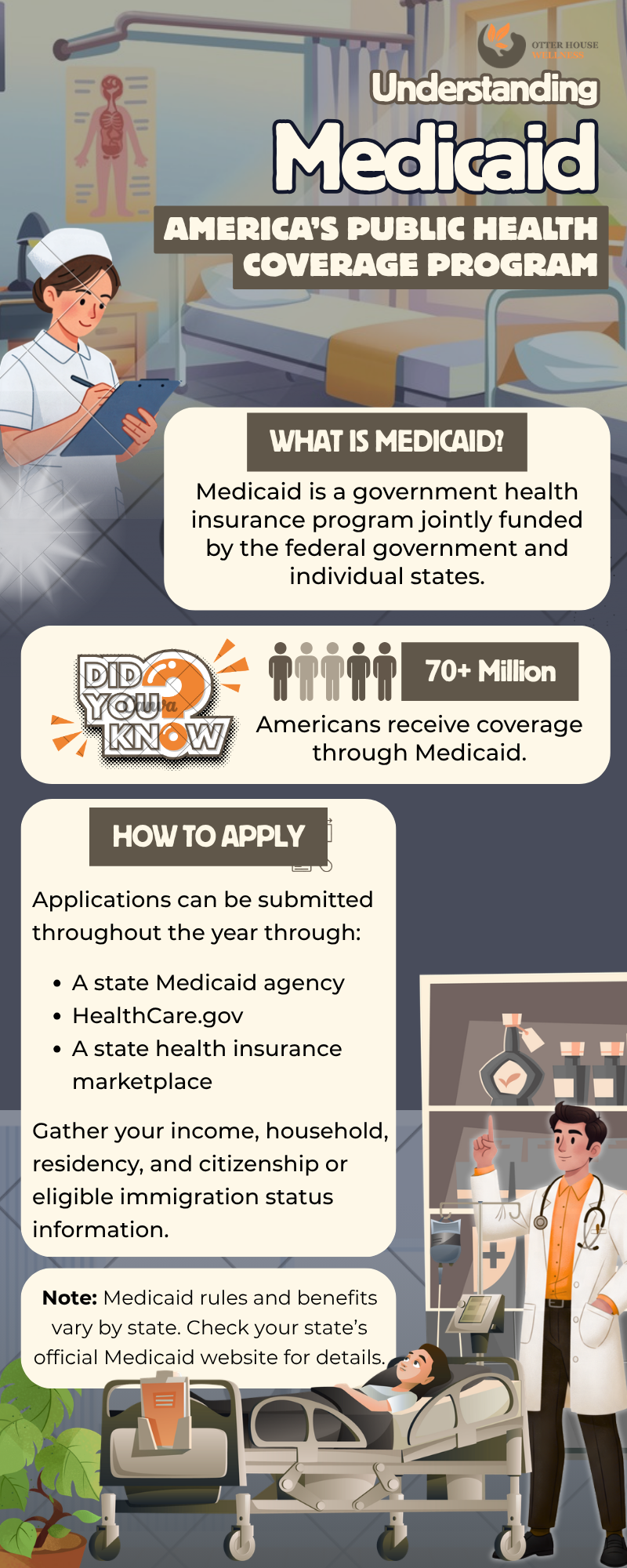
Bipolar disorder treatment covered by Medicaid in NC offers several outpatient mental health services, including assessments, medication management, therapies, counseling, family therapy, and psychological testing.
Your coverage can vary based on your Medicaid plan, eligibility, provider network, and the type of treatment you need. Most NC Medicaid members receive care through a Medicaid health plan. These include:
- Standard Plans, for basic behavioral health services
- Tailored Plans for people with more complex needs
Bipolar disorder may also qualify some people for Tailored Care Management if they meet other eligibility requirements. This service can help with finding providers, scheduling appointments, and managing different parts of your care.
Before starting treatment, check your Medicaid plan and make sure the provider accepts it.
What Should You Ask Before Starting Treatment?
If you’re ready to look for bipolar disorder treatment covered by Medicaid in NC, here are some questions you can ask to make the process easier:
- Do you treat bipolar disorder?
- Do you accept my specific NC Medicaid plan?
- Do you offer medication management?
- What types of therapy do you provide?
- Do you offer dual diagnosis treatment?
- What happens during the first appointment?
- How often would I need to attend treatment?
Finding More Stability Is Possible
Bipolar disorder can make life feel unpredictable, but understanding your symptoms and having the right support can make things more manageable.
At Otter House Wellness, we focus on helping you reach stability through different approaches and healthy lifestyle habits. We tailor the treatment to your needs and also address concerns such as anxiety, depression, or substance use.
If you have NC Medicaid, our team can help you understand your coverage and available treatment options.
If bipolar disorder is making daily life harder, Otter House Wellness is here to help. Contact us for quality treatment and top-notch support.
Otter House Wellness
August 18, 2026
- Telehealth Therapy That Accepts Medicaid in North Carolina
 Tired of spending gas money and half a day driving to a therapist? Discover how NC Medicaid lets you see top providers from home with zero copay.
 - Group Therapy Covered by Medicaid in North Carolina
 Replaying the exact same thoughts at 2 AM with no way out? Discover how NC Medicaid fully covers the group therapy hack that breaks your mental loops.
 - Outpatient Mental Health Treatment for Medicaid Recipients in NC
 Did you know you don't need a doctor's referral to start therapy on NC Medicaid? Discover how to access fast, free mental health care from home.
 - Medicaid Mental Health Treatment for Parents and Families in NC
 You can't pour from an empty cup. Discover the "oxygen mask" rule in NC Medicaid that covers parent AND child mental health under one plan.
 - Mental Health Programs for Young Adults on Medicaid in North CarolinaDoes Rhode Island Medicaid cover treatment for addiction and depression? Find out what’s covered, from detox and residential care to PHP, IOP, therapy, and medication.
- ADHD Treatment That Accepts Medicaid in North Carolina
 Looking for ADHD treatment that accepts Medicaid in North Carolina? Learn about treatment options and how support can make daily life easier.
 - Bipolar Disorder Treatment Covered by Medicaid in NC
 Learn about bipolar disorder treatment covered by Medicaid in NC, including therapy, medication, Medicaid plans, and support options at Otter House Wellness.
Recommended Blogs


Telehealth Therapy That Accepts Medicaid in North Carolina

Group Therapy Covered by Medicaid in North Carolina