
Mental Health Residential Treatment in North Carolina: What to Expect
You have already made the call. You have imagined it so many times that it seems like a memory. The time when you ultimately said it aloud that you deserved more than you were receiving. Something changed in that version. The burden was not eliminated, but it was now something you were not bearing all by yourself.
And then you wake up inside the waking. The tab is still open. The number is still undialed. The version of you who made the call recedes like a dream does. Vivid for a moment, then gone, leaving only the faint sense that something real had been within reach.
This is where a lot of people in North Carolina live. Not in crisis exactly, but not fine either. Somewhere in the layered space between the life they are managing and the life they keep almost reaching for. If that place feels familiar, what follows is written for you. Not as a brochure, but as a direct answer to what residential mental health treatment is, who it is for, and what it looks like when someone chooses to stop managing and start healing.
What Residential Treatment Is And Isn’t
Residential mental health treatment is not a hospital. It is not a place reserved for the most dramatic version of a breakdown, and it is not where you go when everything has fallen beyond recovery. It is something quieter and more purposeful than that.
Residential treatment simply is an organized, live-in facility where individuals receive 24-hour clinical care beyond that of a hospital. Consider it the stage of care in which life is slowed, and the scaffolding is firm enough to enable real therapeutic work to occur.
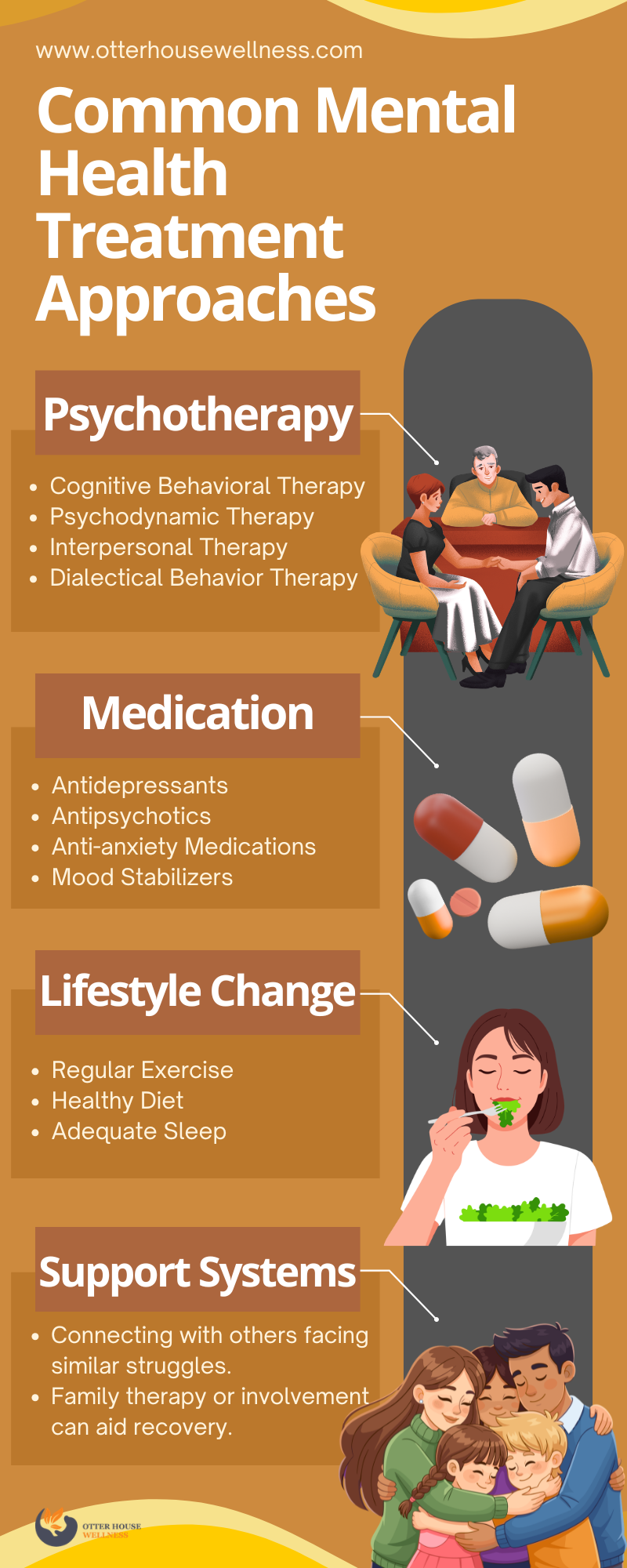
Individual therapy, group sessions, psychiatric care, and skill-building are some of the programs that are usually incorporated into a well-organized daily rhythm. It is the first time in many lives that people have been able to concentrate solely on themselves without having to deal with work, relationships, and symptoms simultaneously.
Recognizing the Moment It Becomes the Right Answer
There is rarely a single dramatic turning point. More often, it is accumulation. Outpatient therapy has become a place to debrief the week rather than change it. The same patterns keep returning, slightly worse each time. A crisis has passed, but the ground underneath has not steadied. Daily functioning has become the entirety of the effort, with nothing left over for living.
Residential care tends to be the right answer when the environment someone returns to each day is part of what is keeping them stuck. When structure is not just helpful but necessary. When the conditions being treated require more continuity of support than any outpatient schedule can provide.
It is not a measure of how broken you are. It is a measure of how much healing you are ready to do.
Why North Carolina, Why Now
North Carolina’s mental health landscape makes this conversation especially important. In some rural parts of the state, the patient-to-provider ratio reaches as high as 5,000 to one. The state currently meets only about 13 percent of its total behavioral health needs with its existing workforce. This means that for a significant portion of North Carolinians, the fragmented outpatient system is not just imperfect. It is genuinely insufficient.
Residential treatment, in this context, is not simply the intensive option. For many people across North Carolina, it is the option that finally works. Not because outpatient care failed them as individuals, but because a system stretched far beyond its capacity could not give them what they really needed. Choosing residential is not an escalation. It is a decision to stop waiting for a system to have room for you and to place yourself somewhere that already does.
What Life Inside a Program Looks Like
The picture most people carry of residential treatment is of sterile hallways, institutional meals, and the feeling of being held somewhere. This does not match what thoughtful programs truly offer. The setting is usually home-like by design, because comfort and safety are not incidental to healing. They are part of it.
Days are structured but not rigid. Morning begins with intention rather than alarm-driven obligation. Individual therapy provides the private space where the deeper work happens. Group sessions offer something outpatient rarely can. The specific relief of being in a room with people who are not trying to explain their experience to someone who has never felt it. Holistic elements, whether recreation, creative therapies, or time spent simply outside, are not extras. They are part of how the nervous system learns that safety is possible.
Evenings do not dissolve into the old routines and triggers. They belong to the process. For many people in residential programs, that uninterrupted containment is the thing that makes the difference.
The Question About Cost and Insurance
The concern is real and worth addressing plainly. North Carolina Medicaid provides medically necessary mental health services, including residential levels of care. A majority of large commercial insurance companies, such as Blue Cross Blue Shield, Aetna, Cigna, and UnitedHealthcare, have some sort of residential mental health benefit. What varies is the specifics: your deductible, prior authorization requirements, and exactly how your plan defines medical necessity.
The right program does not leave you to figure that out alone. Benefits verification happens before treatment begins, not after, so the question of what this costs has a real answer before you walk through the door.
What Otter House Wellness Center Offers
You have been holding something heavy for a long time. Perhaps long enough that the weight has started to feel like it belongs to you. As if managing it is simply who you are now.
Residential treatment is not where you go because you have failed to manage. It is where you go because you have decided that managing is no longer enough.
At Otter House Wellness Center, that decision is met with clarity, care, and a team that handles every practical question so that all you have to bring is yourself. Reach out today. The version of you that made the call, the one that felt like a dream, is closer than you think.
Otter House Wellness
April 17, 2026
- Telehealth Therapy That Accepts Medicaid in North Carolina
 Tired of spending gas money and half a day driving to a therapist? Discover how NC Medicaid lets you see top providers from home with zero copay.
 - Group Therapy Covered by Medicaid in North Carolina
 Replaying the exact same thoughts at 2 AM with no way out? Discover how NC Medicaid fully covers the group therapy hack that breaks your mental loops.
 - Outpatient Mental Health Treatment for Medicaid Recipients in NC
 Did you know you don't need a doctor's referral to start therapy on NC Medicaid? Discover how to access fast, free mental health care from home.
 - Medicaid Mental Health Treatment for Parents and Families in NC
 You can't pour from an empty cup. Discover the "oxygen mask" rule in NC Medicaid that covers parent AND child mental health under one plan.
 - Mental Health Programs for Young Adults on Medicaid in North CarolinaDoes Rhode Island Medicaid cover treatment for addiction and depression? Find out what’s covered, from detox and residential care to PHP, IOP, therapy, and medication.
- ADHD Treatment That Accepts Medicaid in North Carolina
 Looking for ADHD treatment that accepts Medicaid in North Carolina? Learn about treatment options and how support can make daily life easier.
 - Bipolar Disorder Treatment Covered by Medicaid in NC
 Learn about bipolar disorder treatment covered by Medicaid in NC, including therapy, medication, Medicaid plans, and support options at Otter House Wellness.
Recommended Blogs


Telehealth Therapy That Accepts Medicaid in North Carolina

Group Therapy Covered by Medicaid in North Carolina