
Things to Know About Outpatient Mental Health IOP in Alexander County, NC
Getting help for mental health in North Carolina is often a battle against a broken system. That’s because long wait times and a shortage of local doctors may leave you waiting while your condition worsens.
And even when you find a provider, the distance you have to travel can make treatment feel out of reach. Since these gaps in care leave families struggling to find the support, programs like mental health IOP are gaining traction.
A credible intensive outpatient program means you aren’t stuck in waiting lines, nor do you feel lonely when things get heavy. But the obvious benefits of mental health IOP in Alexander County, NC, aside, you must know what you’re getting into while committing to something so substantial.
Therefore, this article explains the important things, both positive and negative, about mental health IOP in Alexander County, NC, so you have a clear picture. Keep reading!
Program Schedule
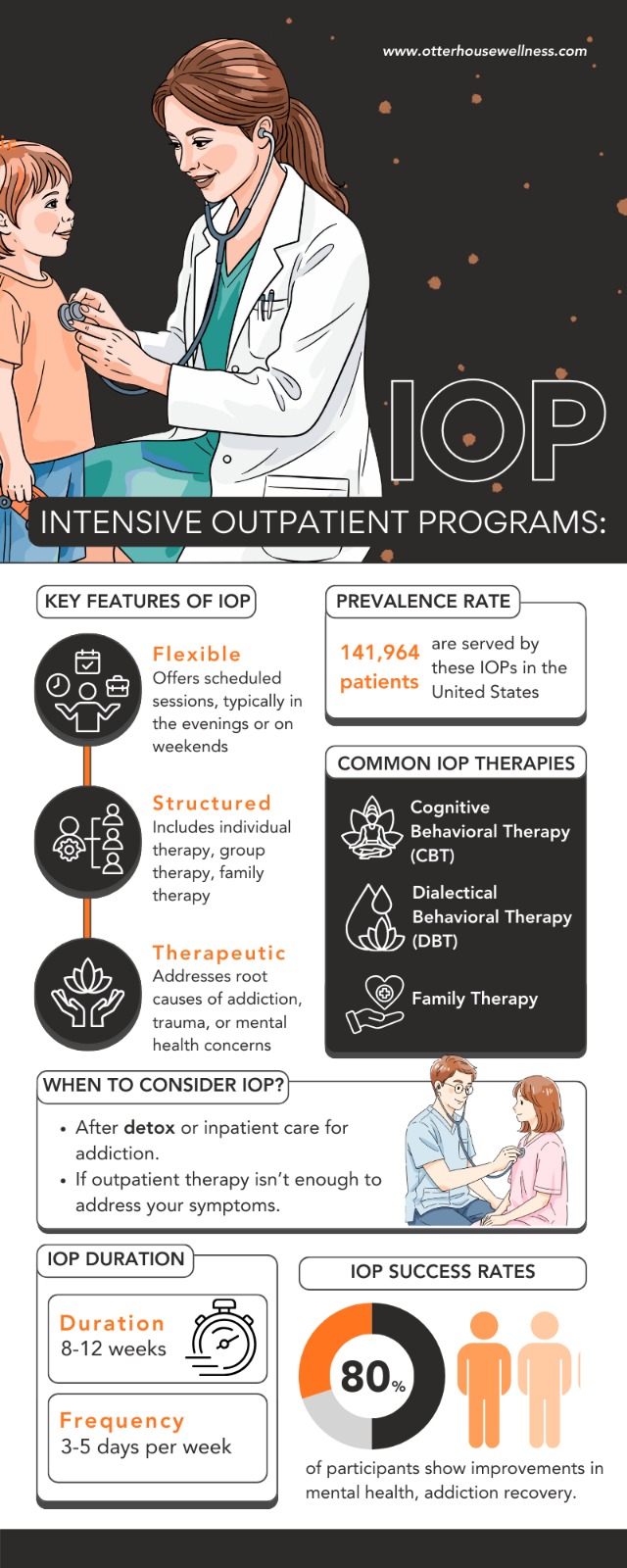
Mental health IOP in Alexander County, NC, means finding a balance between getting intensive help and keeping life on track. This program is scheduled in a way that you ideally stay in it for 8-12 weeks, with sessions on 5 days a week.
If we talk about the IOP sessions’ weekly length, you spend 9-15 hours in the behavioral health center each week. And since many centers offer morning and evening mental health IOP in Alexander County, NC, you don’t have to quit work or drop out of school to show up.
Another notable aspect of this program’s schedule is the gradual step-down. Instead of finishing treatment and feeling like you’ve been dropped off a cliff, this program slowly reduces your hours. You then feel like a safety net is in place and can confidently practice living without constant help.
Group Sessions are the Main Focus
The core of mental health IOP in Alexander County, NC, is the group setting. You spend the majority of your weekly hours with a licensed therapist and peers facing similar mental health challenges.
Sure, there are enough one-on-one therapy hours, but the group setting is a notable USP of mental health IOP. Your designated group hours are meant to break the isolation that comes with mental health struggles.
Also, working in a collaborative environment means you learn to set boundaries, manage triggers, and communicate without feeling defensive. This environment is much like a controlled practice ground. If you can handle a difficult conversation or a stressful moment within the group, it means you can manage it alone as well.
You Learn DBT and Coping Tools
Dialectical Behavior Therapy (DBT) is a framework meant to stop emotional spiraling and self-destructive habits. Since mental health IOP in Alexander County, NC, is a training ground for DBT, here you learn to control your brain’s response to stress.
The main skills DBT equips you with are mindfulness and distress tolerance. Let’s simplify these aspects.
Mindfulness is your first line of defence, which forces you to stay in the present and not let past regrets or future panic impact you. Similarly, distress tolerance teaches you some important crisis survival techniques to endure a mental breakdown without making the situation worse.
The goal of these core skills is to replace your old coping mechanisms with evidence-based tools that work. Since you practice regulating your emotions within an IOP, you aren’t a victim of your moods and can set firm boundaries with people in your life.
The Time Commitment is Very High
Here comes a slightly difficult aspect of mental health IOP in Alexander County, NC: the time commitment. Spending fifteen hours of therapy every week is a huge lifestyle shift that can cause burnout.
You can’t manage 3-4 hours each day like a casual appointment, and it’s much like a part-time job’s worth of emotional and mental labor. So if you’re working full-time or raising a family, this schedule can feel relentless.
Although there are morning and evening options, the mental energy needed for these sessions leaves little room for other responsibilities. And if your job is inflexible, you won’t be able to manage IOP with it.
Needless to say, this incredible program works well only when you show up consistently, and missing sessions stalls your progress. So if you’re planning to start a mental health IOP in Alexander County, NC, take a good look at your ability to commit, and only then start it.
Sobriety is Required for Participation
Drugs and alcohol alter your brain chemistry, making it impossible for therapists to track your mental health. Also, using a substance or drinking doesn’t allow experts to accurately estimate the symptoms caused by your diagnosis.
Moreover, some mental health medications have dangerous interactions with alcohol and drugs. Therefore, you are required to keep your system clean for mental health IOP in Alexander County, NC, to work.
Most programs enforce routine drug and alcohol screenings. So know that a positive result can cause an immediate discharge or you getting transferred to a more extreme level of care.
Social Fatigue
An IOP requires you to be physically present three to five days a week. If you live far from the facility, that commute will inevitably cause stress. Beyond that, the mental energy required for an IOP can also give you serious social burnout. And by the time you finish a three-hour session, your social battery will be empty, and you won’t have energy to do anything else.
This fatigue is a direct result of the program’s intensity because constant self-reflection and group talk are hard work. If you do not plan for this and tell your loved ones what to expect, it can strain your relationships. So, before starting mental health IOP in Alexander County, NC, understand this aspect and treat this time as a period of high effort to give yourself extra space to rest.
It Might be Difficult, But It’s Always Worth It
Committing your time and energy to mental health IOP in Alexander County, NC, is a big decision, but its results are incredible. We have tried our best to give you an honest picture of what to expect from IOP for mental health, and now it’s on you to weigh your circumstances and opt for this incredible model. But whenever you decide to start it, it’ll always be worth the effort for your mental health and future.
Otter House Wellness
January 30, 2026
- Telehealth Therapy That Accepts Medicaid in North Carolina
 Tired of spending gas money and half a day driving to a therapist? Discover how NC Medicaid lets you see top providers from home with zero copay.
 - Group Therapy Covered by Medicaid in North Carolina
 Replaying the exact same thoughts at 2 AM with no way out? Discover how NC Medicaid fully covers the group therapy hack that breaks your mental loops.
 - Outpatient Mental Health Treatment for Medicaid Recipients in NC
 Did you know you don't need a doctor's referral to start therapy on NC Medicaid? Discover how to access fast, free mental health care from home.
 - Medicaid Mental Health Treatment for Parents and Families in NC
 You can't pour from an empty cup. Discover the "oxygen mask" rule in NC Medicaid that covers parent AND child mental health under one plan.
 - Mental Health Programs for Young Adults on Medicaid in North CarolinaDoes Rhode Island Medicaid cover treatment for addiction and depression? Find out what’s covered, from detox and residential care to PHP, IOP, therapy, and medication.
- ADHD Treatment That Accepts Medicaid in North Carolina
 Looking for ADHD treatment that accepts Medicaid in North Carolina? Learn about treatment options and how support can make daily life easier.
 - Bipolar Disorder Treatment Covered by Medicaid in NC
 Learn about bipolar disorder treatment covered by Medicaid in NC, including therapy, medication, Medicaid plans, and support options at Otter House Wellness.
Recommended Blogs


Telehealth Therapy That Accepts Medicaid in North Carolina

Group Therapy Covered by Medicaid in North Carolina